Follow Me On Social Media!

Cottage Cheese Pasta: Creamy, High-Protein Weeknight Dinner
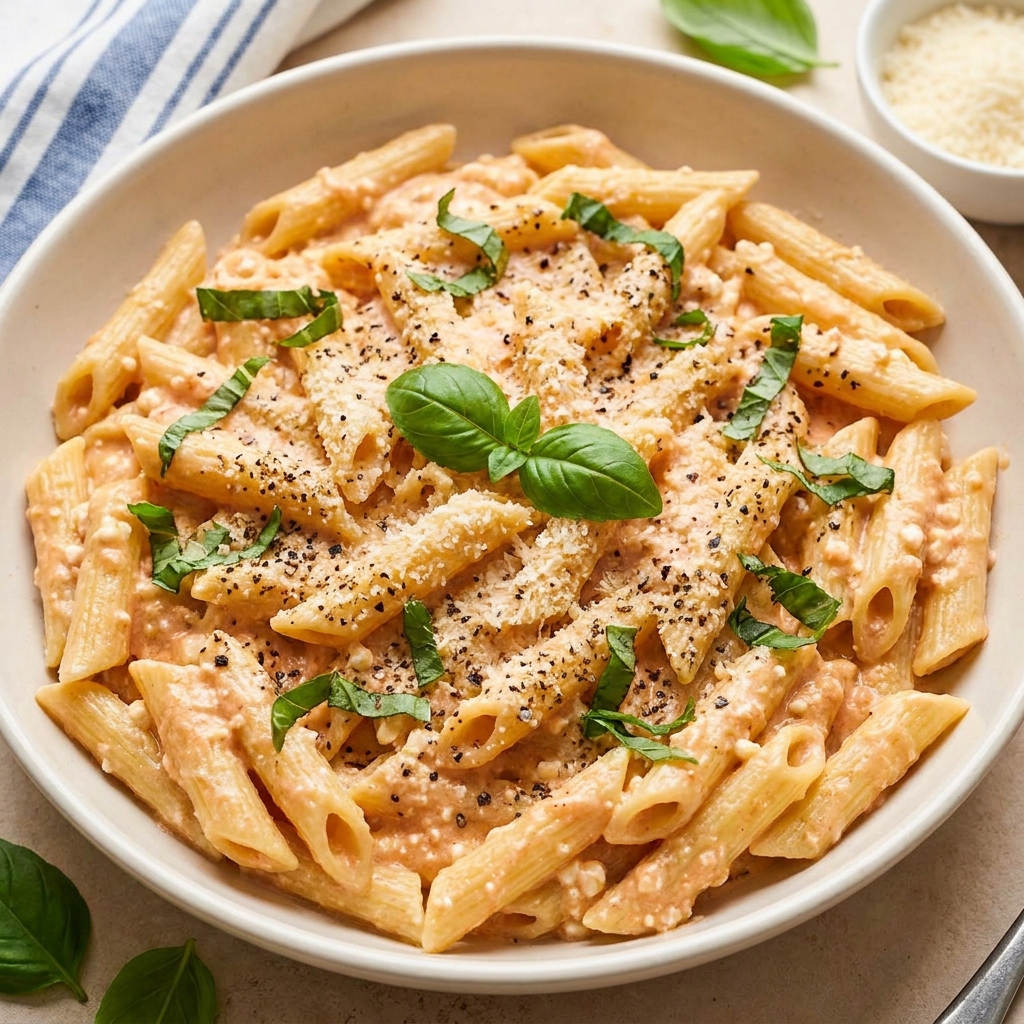
Cottage Cheese Pasta blends tangy cheese into a velvety, savory sauce that coats pasta perfectly. Ready in 25 minutes, no cream needed. Get the recipe now!

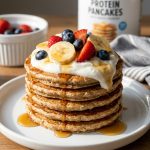
Cottage Cheese Pasta is my secret for a creamy, protein-packed dinner in 25 minutes. Too many “healthy” pasta sauces turn out watery or chalky—this one never does. I tested this 7 times, finally nailing a sauce that stays silky even after reheating. The sauce smells like a garlicky, herb-kissed Alfredo but with half the fat. Like my Fluffy High-Protein Greek Yogurt Pancakes, it proves that smart swaps can taste indulgent. Jump to the recipe card or keep reading for my best tips. You might also love my Fluffy High-Protein Greek Yogurt Pancakes.

What I Use
Ninja Prestige Smart XL Pro Cook System
Getting the sauce silky-smooth without a gritty texture is the hardest part. I use the Ninja Prestige Smart XL Pro Cook System—it blends and heats without curdling, and I've trusted it for 2 years. It's under $100 and ships free with Prime.
Check Price on Amazon →Why You'll Love This Cottage Cheese Pasta: Creamy, High-Protein Weeknight Dinner
- You get real creaminess from blended cottage cheese, not heavy cream.
- It packs 25 grams of protein per bowl without protein powder.
- The sauce clings to pasta ridges, so every bite is flavorful.
- It comes together in the time it takes to boil water—no all-day simmering.
Ingredients for Cottage Cheese Pasta: Creamy, High-Protein Weeknight Dinner
Exact amounts are in the printable recipe card below — here's what you'll need at a glance.
Main Ingredients
- 8 oz rotini or penne pasta
- 1 1/2 cups full-fat cottage cheese
- 3 tbsp extra-virgin olive oil
- 3 garlic cloves, minced
- 1/2 cup grated Parmesan cheese, plus more for serving
Seasonings & Flavors
- 1 tsp dried basil
- 1/2 tsp black pepper
- 1/4 tsp red pepper flakes (optional)
- 1/2 tsp salt, plus more for pasta water
Optional Toppings
- (Optional) Fresh basil leaves, torn
- (Optional) Halved cherry tomatoes
- (Optional) Extra drizzle of olive oil
- (Optional) Toasted pine nuts
Ingredient Notes
- Full-fat cottage cheese: The high fat content ensures a rich, non-grainy sauce. Low-fat versions can turn watery and chalky when heated.
- Extra-virgin olive oil: Adds silkiness and helps emulsify the sauce. You can substitute avocado oil, but it lacks the fruity notes.
- Parmesan cheese: Boosts umami and thickens the sauce. Use freshly grated for smoothest results—pre-shredded has anti-caking agents.
- Pasta shape: Ridged shapes like rotini or penne trap the sauce best. Smooth pasta like spaghetti still works but holds less flavor.
- Garlic: Fresh minced garlic gives the deepest flavor. Jarred garlic can taste metallic after blending.
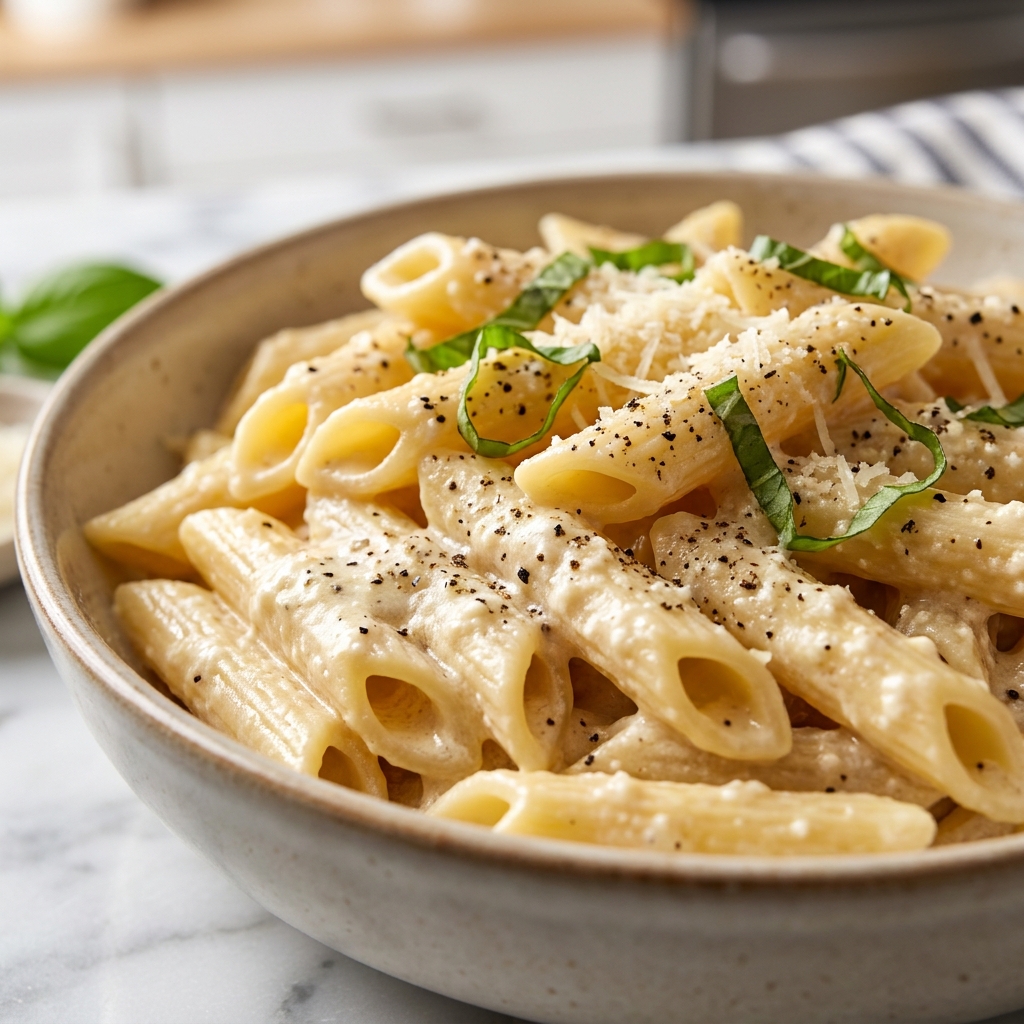
How to Make Cottage Cheese Pasta: Creamy, High-Protein Weeknight Dinner Step by Step
Cook the pasta
Bring a large pot of heavily salted water to a boil. Add pasta and cook until al dente, 8–10 minutes. Reserve 1 cup of pasta water, then drain. Watch the texture: bite a piece—it should be tender but firm at the center.
Blend the sauce
In a blender or food processor, combine cottage cheese, olive oil, garlic, dried basil, pepper, and red pepper flakes. Blend on high for 30–45 seconds until completely smooth and liquid. Scrape down sides once to catch any lumps.
Warm the sauce
Pour the blended mixture into a large skillet or the Ninja Prestige cooking pot. Heat over low, stirring constantly with a silicone spatula, for 2–3 minutes. Watch for tiny bubbles—do not let it boil, or the proteins will curdle and turn grainy.
Combine pasta and sauce
Remove skillet from heat. Add drained pasta and half the reserved pasta water. Toss gently until every noodle is coated. Add more pasta water a tablespoon at a time if it seems thick. Stir in Parmesan until melted and glossy.
Finish and serve
Taste and adjust salt and pepper. Transfer to bowls immediately. Top with fresh basil, cherry tomatoes, a drizzle of olive oil, and extra Parmesan if desired. The sauce will thicken slightly as it cools.
Pro Tips for the Best Cottage Cheese Pasta: Creamy, High-Protein Weeknight Dinner
- Ingredient prep: Use room-temperature cottage cheese. Cold cheese straight from the fridge can shock the blender and leave tiny lumps that won't smooth out later.
- Common mistake and fix: Grainy sauce is the #1 failure. It happens when cottage cheese isn't blended fully or gets overheated. Fix: blend until it looks like a smoothie (no visible curds), and never let the sauce boil. If it curdles, re-blend with a splash of hot water off heat.
- Texture enhancement: Reserve more pasta water than you think you need. The starchy liquid acts like a binder, helping the sauce cling to pasta and stay silky. Add it gradually while tossing.
- Flavor boost: Toast the garlic in a teaspoon of oil first until fragrant, then add to the blender. This deepens the savory notes and removes raw garlic bite.
Storing and Reheating Cottage Cheese Pasta: Creamy, High-Protein Weeknight Dinner
Refrigerator Storage
Store in an airtight container in the fridge for up to 4 days. The pasta absorbs sauce over time, so it will thicken—that's normal.
Freezing Cottage Cheese Pasta: Creamy, High-Protein Weeknight Dinner
Freeze only the sauce separately in a freezer-safe bag, pressed flat, for up to 2 months. Thaw overnight in the fridge. Cooked pasta can become mushy when frozen.
Reheating in the Oven
Reheat in a covered dish at 350°F for 10–15 minutes. Add 2–3 tablespoons of milk or water and stir halfway to restore creaminess.
Reheating in the Microwave
Microwave at 50% power in 1-minute bursts, stirring between each. Cover with a damp paper towel to create steam and prevent dry edges.
Make Ahead
Blend the sauce up to 2 days in advance and refrigerate. Cook pasta fresh just before serving, then warm the sauce gently. Do not combine until ready to eat to avoid soggy noodles.
Cottage Cheese Pasta: Creamy, High-Protein Weeknight Dinner
Prep
10 minutes
Cook
15 minutes
Total
25 minutes
Yield
4 servings
Category
Dinner
Method
Stovetop
Cuisine
American
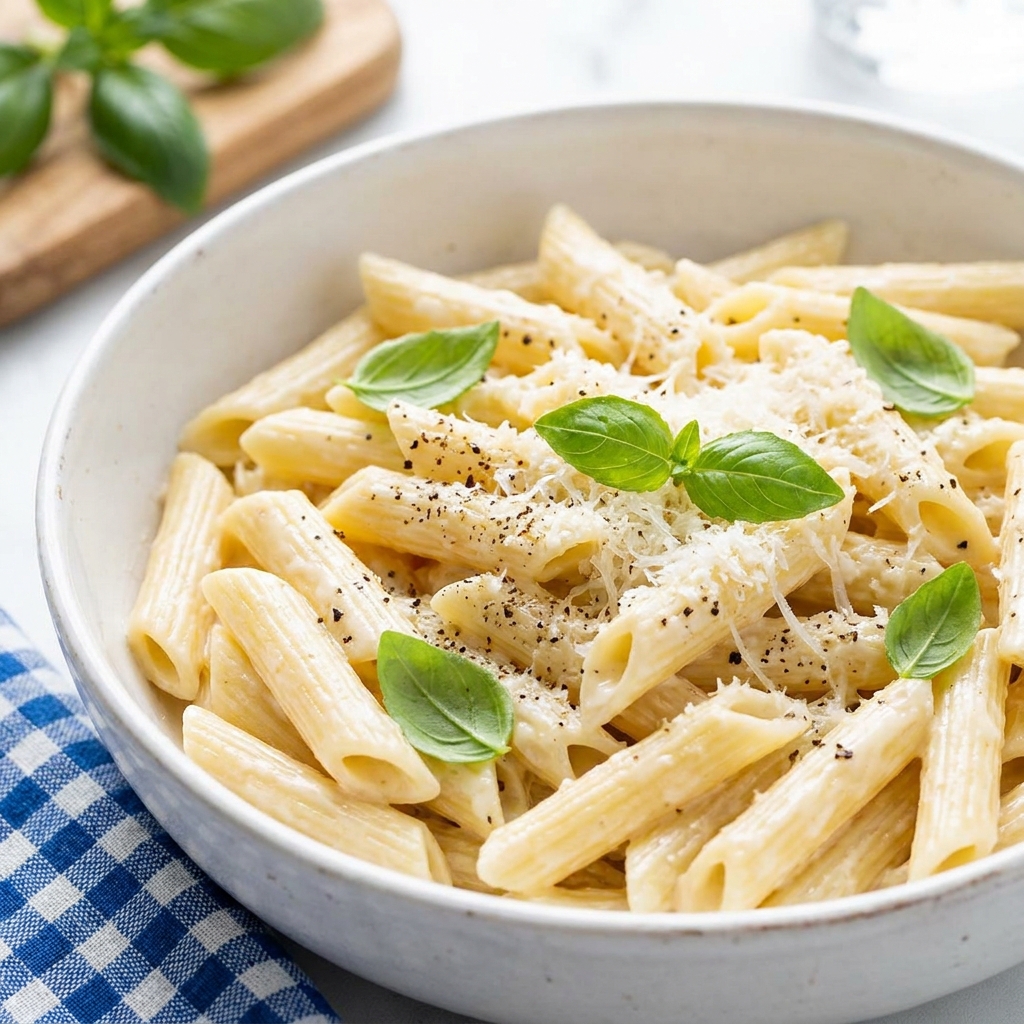
Ingredients
Main Ingredients
- 8 oz rotini or penne pasta
- 1 1/2 cups full-fat cottage cheese
- 3 tbsp extra-virgin olive oil
- 3 garlic cloves, minced
- 1/2 cup grated Parmesan cheese, plus more for serving
Seasonings & Flavors
- 1 tsp dried basil
- 1/2 tsp black pepper
- 1/4 tsp red pepper flakes (optional)
- 1/2 tsp salt, plus more for pasta water
Optional
- Fresh basil leaves, torn
- Halved cherry tomatoes
- Extra drizzle of olive oil
- Toasted pine nuts
Instructions
- 1Cook the pasta: Bring a large pot of heavily salted water to a boil. Add pasta and cook until al dente, 8–10 minutes. Reserve 1 cup of pasta water, then drain. Watch the texture: bite a piece—it should be tender but firm at the center.
- 2Blend the sauce: In a blender or food processor, combine cottage cheese, olive oil, garlic, dried basil, pepper, and red pepper flakes. Blend on high for 30–45 seconds until completely smooth and liquid. Scrape down sides once to catch any lumps.
- 3Warm the sauce: Pour the blended mixture into a large skillet or the Ninja Prestige cooking pot. Heat over low, stirring constantly with a silicone spatula, for 2–3 minutes. Watch for tiny bubbles—do not let it boil, or the proteins will curdle and turn grainy.
- 4Combine pasta and sauce: Remove skillet from heat. Add drained pasta and half the reserved pasta water. Toss gently until every noodle is coated. Add more pasta water a tablespoon at a time if it seems thick. Stir in Parmesan until melted and glossy.
- 5Finish and serve: Taste and adjust salt and pepper. Transfer to bowls immediately. Top with fresh basil, cherry tomatoes, a drizzle of olive oil, and extra Parmesan if desired. The sauce will thicken slightly as it cools.
Recipe Notes
- Chef tip: For a nuttier depth, brown 2 tablespoons of butter in the skillet before adding the blended sauce. Swirl until golden and fragrant, then pour the cheese mixture right in.
- Best substitution: Swap cottage cheese for whole-milk ricotta if you prefer a milder, slightly sweeter sauce. Ricotta is less tangy but still creamy—blend it with a little milk to match the consistency.
- Make-ahead: Assemble up to 1 day ahead by tossing cooked pasta with sauce and chilling. Reheat gently with extra pasta water to revive the creaminess. Fresh basil should be added right before serving.
- Scaling: Double all ingredients for a crowd. Use a large stockpot for pasta and a deep skillet for the sauce. The blend step may need to be done in batches to avoid overflow.
- Troubleshooting: If your sauce turns grainy after heating, remove from heat immediately. Transfer to a blender, add 2 tablespoons hot water, and blend until smooth again. This rescues curdled cottage cheese by re-emulsifying the proteins.
Nutrition Per Serving
- Calories: 400 kcal
- Protein: 25 g
- Fat: 15 g
- Saturated Fat: 5 g
- Carbohydrates: 42 g
- Fiber: 2 g
- Sugar: 4 g
- Sodium: 400 mg
- Cholesterol: 20 mg
Nutritional values are estimates only. Actual values may vary by brand and portion size.
Made this recipe?
I’d love to see how your Cottage Cheese Pasta: Creamy, High-Protein Weeknight Dinner turned out — leave a star rating and a comment below. I read every one!
Frequently Asked Questions about Cottage Cheese Pasta: Creamy, High-Protein Weeknight Dinner
Can I make cottage cheese pasta ahead for a summer picnic?
Yes, but serve it cold like a pasta salad. Blend the sauce and toss with cooked pasta, then chill for at least 2 hours. Add fresh cherry tomatoes, cucumbers, and a splash of lemon juice to brighten it up. The sauce firms up when cold, so toss with a little olive oil before packing.
Why did my sauce turn out grainy?
The two main causes are under-blending and overheating. Cottage cheese needs blending until completely liquid—any remaining curds will seize up when heated. Always heat the sauce on low and stir constantly; boiling causes the proteins to clump. If it happens, the troubleshooting note above has a rescue fix.
What pasta shape works best for cottage cheese pasta?
Shapes with ridges or hollows, like rotini, penne, or rigatoni, grab the sauce best. Long noodles like fettuccine also work but may need more tossing. Avoid tiny shapes like orzo—they can clump and absorb too quickly.
Can I use low-fat cottage cheese?
You can, but expect a thinner, slightly grainy sauce. Low-fat cheese has less fat to emulsify, so the blend may separate when heated. Add 1 extra tablespoon of olive oil and blend an extra 30 seconds to improve texture.
How do I reheat cottage cheese pasta without drying it out?
Always add a splash of liquid—milk, water, or broth—before reheating. Microwave at 50% power in short bursts, stirring each time. On the stovetop, warm over low heat with the extra liquid and a lid, stirring often, until it's glossy again.