
Follow Me On Social Media!

Butternut Squash Pasta Recipe: Creamy Fall Comfort in 35m
Butternut Squash Pasta Recipe brings creamy, golden, savory fall comfort to your dinner table in just 35 minutes with roasted squash and sage. Try it tonight.

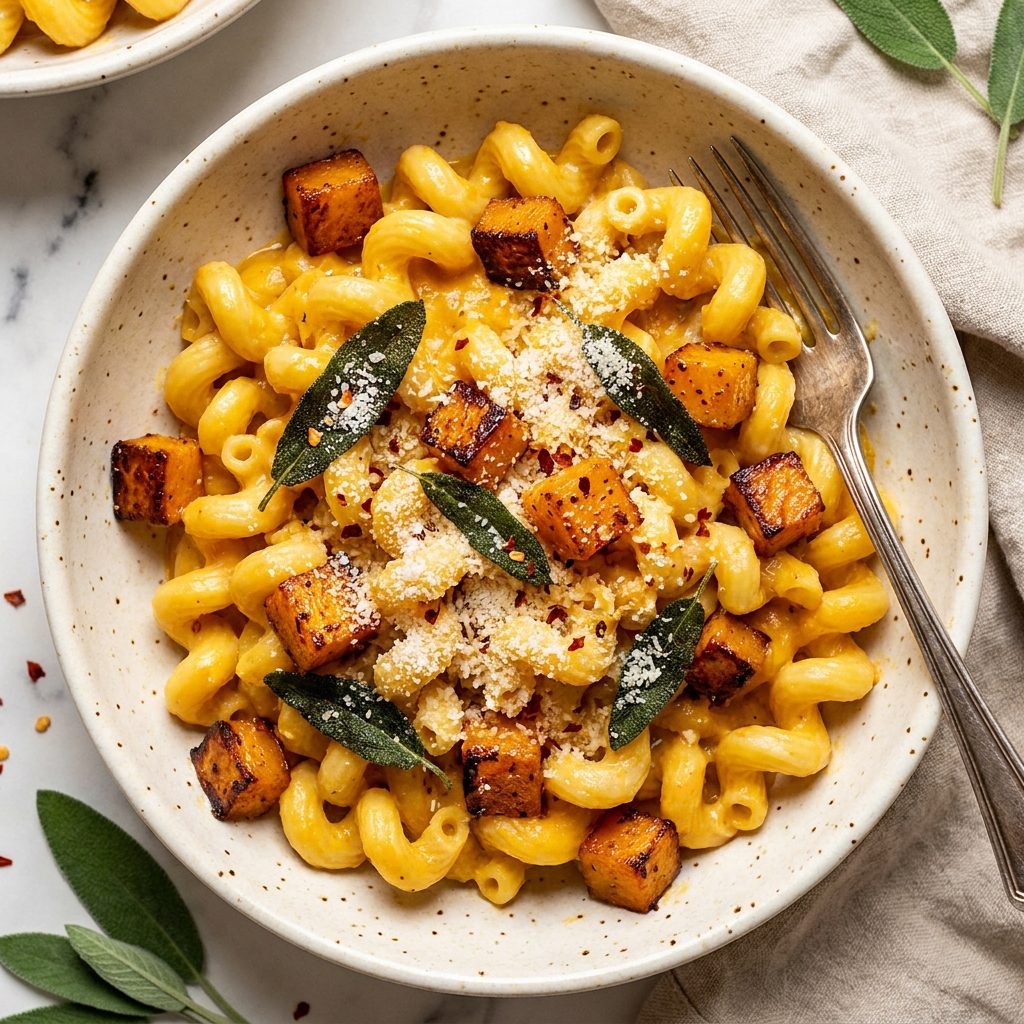
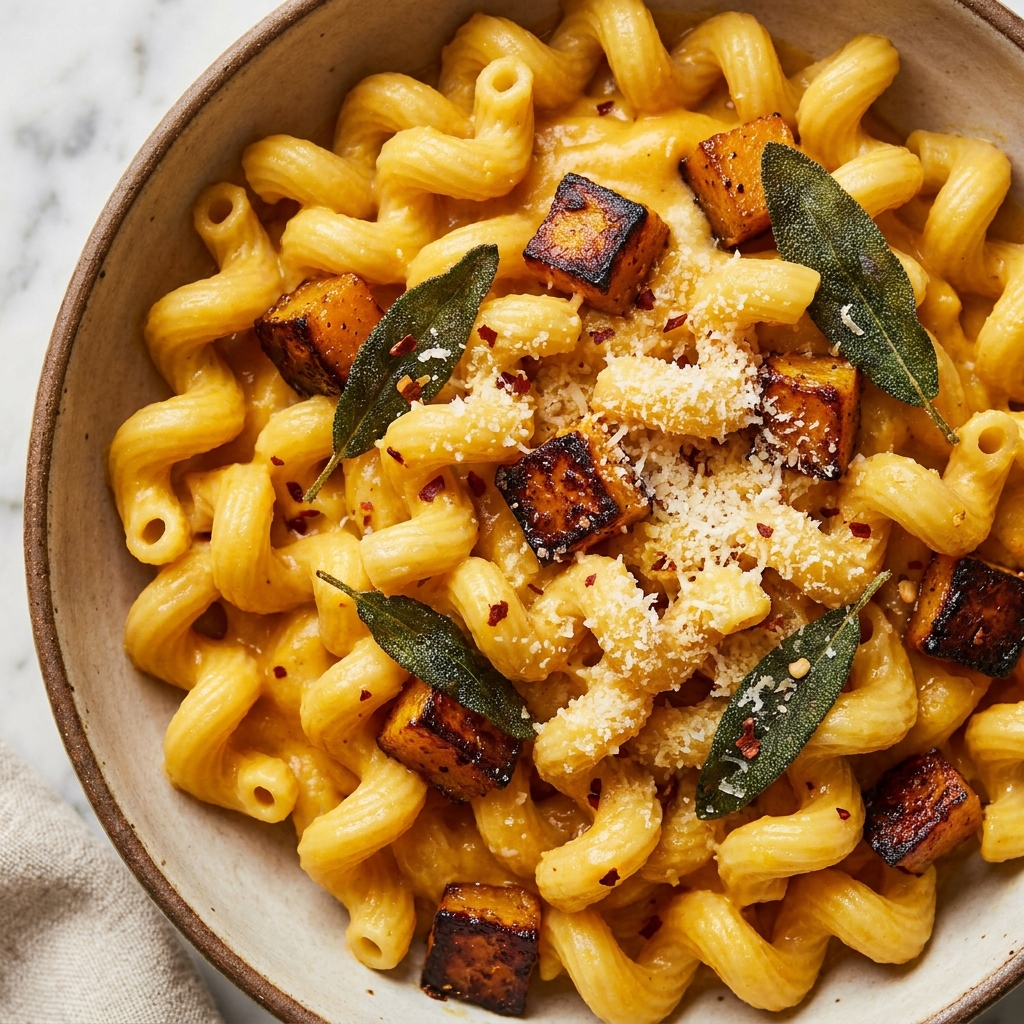
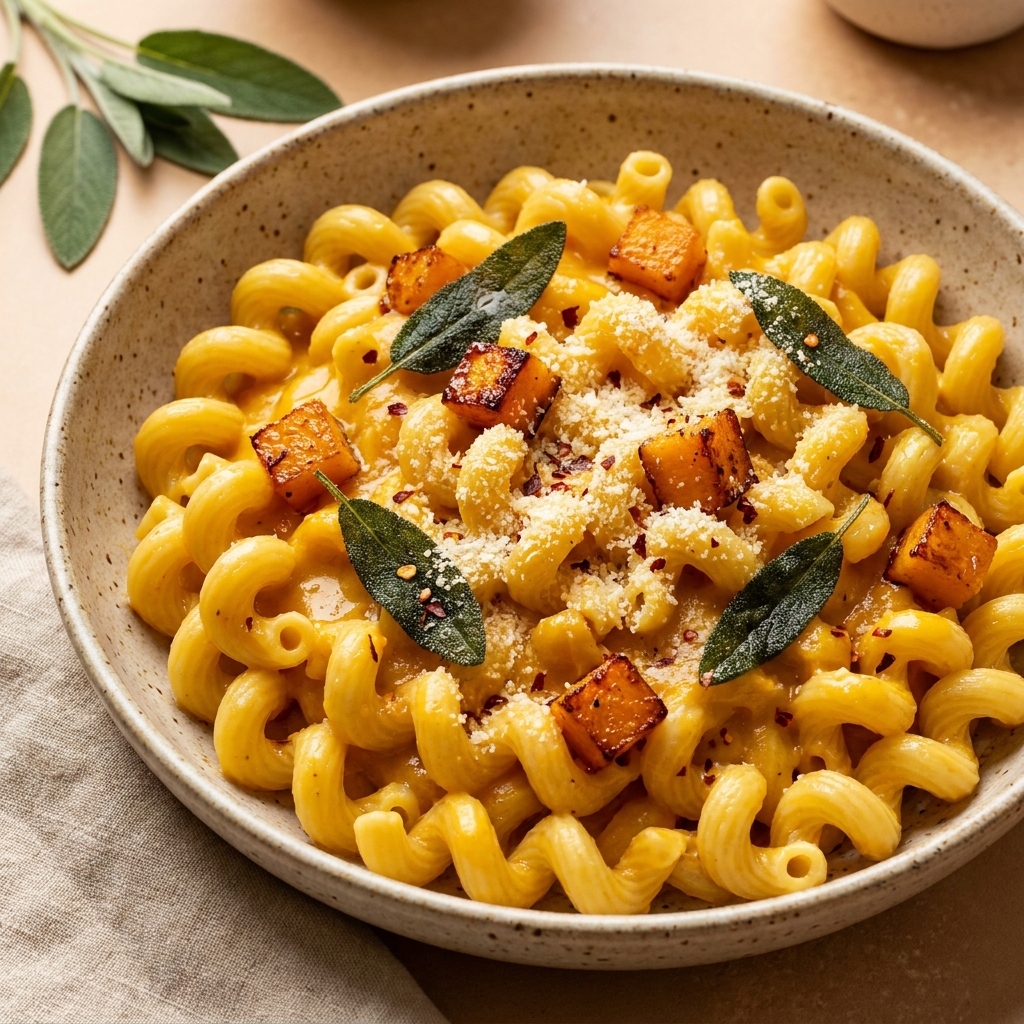
This butternut squash pasta recipe delivers silky, golden sauce that hugs every noodle in under 35 minutes. Most versions turn out watery, grainy, or bland because the squash never gets roasted long enough to caramelize. I’ve tested this method at least a dozen times, burning the squash twice before locking in the exact timing that works. The smell of roasted squash and browned sage in butter will make your kitchen feel like a crisp October evening. If you love fall flavors, my apple cider cookies capture that same cozy warmth in dessert form. Jump to the recipe card or keep reading for my best tips. You might also love my apple cider cookies.

What I Use
Ninja Prestige Smart XL Pro Cook System
Getting the squash deeply roasted without burning is the hardest part of this recipe. I use the Ninja Prestige every time — its precise temperature control roasts evenly with zero hot spots. I've relied on it for six months across dozens of fall dinners. It's under $200 and ships free with Prime.
Check Price on Amazon →Why You'll Love This Butternut Squash Pasta Recipe: Creamy Fall Comfort in 35m
- Silky sauce that clings to every noodle instead of pooling at the bottom of the bowl
- Deeply caramelized squash flavor — not the bland, watery taste you get from boiling
- Nutty sage brown butter finish that most recipes skip entirely
- Ready in 35 minutes with only one sheet pan and one pot to wash
Ingredients for Butternut Squash Pasta Recipe: Creamy Fall Comfort in 35m
Exact amounts are in the printable recipe card below — here's what you'll need at a glance.
Main Ingredients
- 1 medium butternut squash (about 2 lbs), peeled, seeded, and cut into 1-inch cubes
- 12 oz short pasta (rigatoni, penne, or fusilli)
- 2 tbsp olive oil
- 3 tbsp unsalted butter
- 1/2 cup heavy cream
- 10 fresh sage leaves
- 2 cloves garlic, minced
- 1 cup reserved starchy pasta water
Seasonings & Flavors
- 1 tsp kosher salt (plus more for pasta water)
- 1/2 tsp freshly ground black pepper
- 1/2 cup grated parmesan cheese
- 1/4 tsp freshly grated nutmeg
Optional Toppings
- (Optional) Extra grated parmesan cheese
- (Optional) Crispy prosciutto or bacon bits
- (Optional) Toasted walnuts or pine nuts
- (Optional) Fresh sage leaves
- (Optional) Red pepper flakes
Ingredient Notes
- Butternut squash: The squash is the star — its natural sugars caramelize during roasting, creating depth you can't get from boiling or steaming. Choose a squash that feels heavy for its size with a firm, unblemished skin. If you substitute pumpkin or sweet potato, expect a slightly different sweetness level and less silky texture.
- Heavy cream: Cream adds richness and helps the sauce emulsify smoothly. You can substitute with half-and-half, but the sauce will be thinner and less coating. Avoid milk — the sauce will break and taste watery.
- Fresh sage: Fresh sage is non-negotiable for the brown butter step — dried sage tastes dusty and flat. If you can't find fresh sage, fresh thyme works but gives a different flavor profile.
- Reserved pasta water: This is the most commonly skipped ingredient and the number one reason sauces fail. The starch in pasta water emulsifies the squash and cream into a cohesive sauce. Without it, you'll get a grainy, separated mess.
- Parmesan cheese: Use real Parmigiano-Reggiano, not the green can. Pre-grated cheese has anti-caking agents that prevent smooth melting and make the sauce gritty. Grate it fresh for the best result.
How to Make Butternut Squash Pasta Recipe: Creamy Fall Comfort in 35m Step by Step
Roast the squash
Preheat oven to 425°F. Toss the cubed squash with olive oil, 1 tsp kosher salt, and black pepper on a rimmed sheet pan. Spread in a single layer with space between each cube — overcrowding causes steaming instead of roasting. Roast for 22–28 minutes, flipping once at the 15-minute mark. You want deeply golden edges, fork-tender centers, and slightly shriveled surfaces. The cubes should smell sweet and nutty. Watch closely after 20 minutes — the line between caramelized and burnt is about 90 seconds.
Cook pasta and reserve water
Bring a large pot of well-salted water to a rolling boil — it should taste like the sea. Add the pasta and cook for one minute less than the package says. Before draining, scoop out 1 full cup of the starchy pasta water and set aside. The pasta should be al dente with a visible white core when you bite into it. It will finish cooking in the sauce, so don't let it go soft here.
Make sage brown butter
In a medium skillet over medium heat, melt the butter. Add the sage leaves and let them sizzle for 2–3 minutes. The butter will foam, then settle, then turn a golden-amber color with a nutty aroma. The sage leaves will crisp up and darken slightly. Remove from heat the instant the butter turns golden brown — it goes from perfect to burnt in about 10 seconds. The pan keeps cooking even off the burner, so tilt it to pool butter away from the hottest spot.
Blend the squash sauce
Transfer the roasted squash to a blender or food processor while it's still hot. Add the heavy cream, parmesan, minced garlic, nutmeg, and 1/2 cup of the reserved pasta water. Blend on high for 30–45 seconds until completely smooth. The sauce should be glossy, golden-orange, and pourable — if it's too thick, add more pasta water one tablespoon at a time. If the sauce looks grainy after blending, the squash wasn't roasted enough — keep blending and add hot pasta water to help break it down.
Combine and serve
Pour the squash sauce into a large skillet over low heat. Add the drained pasta and toss gently for 60–90 seconds until every noodle is coated. Drizzle the sage brown butter over the top and toss again. The sauce should cling to the pasta with a glossy sheen and steam rising from the pan. Serve immediately in warm bowls with extra parmesan. Don't crank the heat — high heat makes the cream separate and the sauce go oily.
Pro Tips for the Best Butternut Squash Pasta Recipe: Creamy Fall Comfort in 35m
- Ingredient prep: Peel the squash with a Y-shaped peeler, not a paring knife — the skin is tough and you'll waste half the flesh trying to carve it off. Cut the neck and bulb separately for safer, more stable cuts.
- Common mistake and fix: The number one failure is under-roasted squash that won't blend smooth, leaving a grainy, watery sauce. The fix: roast at 425°F until cubes are fork-tender with deeply golden edges — at least 22 minutes. If it's already grainy, blend longer with extra hot pasta water, or press through a fine mesh strainer to remove fibers.
- Texture or flavor enhancement: Add the sage brown butter at the very end, not during cooking. The heat of the pasta releases the nutty aromatics into every bite. Adding it earlier kills the volatile compounds that make it special.
- Make-ahead or storage: Roast the squash up to 2 days ahead and store in an airtight container in the fridge. When ready, reheat the squash in a 350°F oven for 5 minutes, then blend while warm. This saves oven space on busy nights.
Storing and Reheating Butternut Squash Pasta Recipe: Creamy Fall Comfort in 35m
Refrigerator Storage
Store leftovers in an airtight glass container for up to 3 days. The sauce thickens as it sits, so add a splash of water or broth when reheating.
Freezing Butternut Squash Pasta Recipe: Creamy Fall Comfort in 35m
Freeze the squash sauce separately from the pasta in a freezer-safe container for up to 2 months. Thaw overnight in the fridge before reheating. Do not freeze assembled pasta — it turns mushy.
Reheating in the Oven
Reheat at 350°F for 8–10 minutes in a covered oven-safe dish. Add 2 tbsp of water or broth and stir halfway through to restore the silky texture.
Reheating in the Microwave
Reheat at 50% power in 30-second intervals, stirring between each. Place a damp paper towel over the bowl to trap steam and prevent the sauce from drying out or turning grainy.
Make Ahead
Roast the squash up to 2 days ahead and store refrigerated. Cook pasta and make sage butter fresh on serving day. The sauce tastes best freshly blended, so don't assemble the full dish in advance.
Butternut Squash Pasta Recipe: Creamy Fall Comfort in 35m
Prep
10 minutes
Cook
25 minutes
Total
35 minutes
Yield
4 servings
Category
Dinner
Method
Roasting
Cuisine
American
Diet
Vegetarian
Ingredients
Main Ingredients
- 1 medium butternut squash (about 2 lbs), peeled, seeded, and cut into 1-inch cubes
- 12 oz short pasta (rigatoni, penne, or fusilli)
- 2 tbsp olive oil
- 3 tbsp unsalted butter
- 1/2 cup heavy cream
- 10 fresh sage leaves
- 2 cloves garlic, minced
- 1 cup reserved starchy pasta water
Seasonings & Flavors
- 1 tsp kosher salt (plus more for pasta water)
- 1/2 tsp freshly ground black pepper
- 1/2 cup grated parmesan cheese
- 1/4 tsp freshly grated nutmeg
Optional
- Extra grated parmesan cheese
- Crispy prosciutto or bacon bits
- Toasted walnuts or pine nuts
- Fresh sage leaves
- Red pepper flakes
Instructions
- 1Roast the squash: Preheat oven to 425°F. Toss the cubed squash with olive oil, 1 tsp kosher salt, and black pepper on a rimmed sheet pan. Spread in a single layer with space between each cube — overcrowding causes steaming instead of roasting. Roast for 22–28 minutes, flipping once at the 15-minute mark. You want deeply golden edges, fork-tender centers, and slightly shriveled surfaces. The cubes should smell sweet and nutty. Watch closely after 20 minutes — the line between caramelized and burnt is about 90 seconds.
- 2Cook pasta and reserve water: Bring a large pot of well-salted water to a rolling boil — it should taste like the sea. Add the pasta and cook for one minute less than the package says. Before draining, scoop out 1 full cup of the starchy pasta water and set aside. The pasta should be al dente with a visible white core when you bite into it. It will finish cooking in the sauce, so don't let it go soft here.
- 3Make sage brown butter: In a medium skillet over medium heat, melt the butter. Add the sage leaves and let them sizzle for 2–3 minutes. The butter will foam, then settle, then turn a golden-amber color with a nutty aroma. The sage leaves will crisp up and darken slightly. Remove from heat the instant the butter turns golden brown — it goes from perfect to burnt in about 10 seconds. The pan keeps cooking even off the burner, so tilt it to pool butter away from the hottest spot.
- 4Blend the squash sauce: Transfer the roasted squash to a blender or food processor while it's still hot. Add the heavy cream, parmesan, minced garlic, nutmeg, and 1/2 cup of the reserved pasta water. Blend on high for 30–45 seconds until completely smooth. The sauce should be glossy, golden-orange, and pourable — if it's too thick, add more pasta water one tablespoon at a time. If the sauce looks grainy after blending, the squash wasn't roasted enough — keep blending and add hot pasta water to help break it down.
- 5Combine and serve: Pour the squash sauce into a large skillet over low heat. Add the drained pasta and toss gently for 60–90 seconds until every noodle is coated. Drizzle the sage brown butter over the top and toss again. The sauce should cling to the pasta with a glossy sheen and steam rising from the pan. Serve immediately in warm bowls with extra parmesan. Don't crank the heat — high heat makes the cream separate and the sauce go oily.
Recipe Notes
- Chef tip: Always taste the squash before blending. If it's bland, your sauce will be bland — add an extra pinch of salt and a grating of nutmeg before processing.
- Best substitution: Substitute half-and-half for heavy cream if needed, but the sauce will be thinner. For dairy-free, use full-fat coconut cream and nutritional yeast — the flavor shifts sweeter but still works.
- Make-ahead: Roast and cube the squash up to 2 days ahead. Store in an airtight container in the fridge. You can also pre-measure all seasonings in a small bowl the night before.
- Scaling: Double the recipe for 8 servings, but use two sheet pans for the squash to avoid overcrowding. A single crowded pan will steam the squash and cause the grainy sauce problem.
- Troubleshooting: If your sauce is grainy, the squash was under-roasted. Fix it by blending longer with extra hot pasta water, or press the sauce through a fine mesh strainer. If the sauce is watery, simmer it in a skillet for 2–3 minutes to reduce and concentrate.
Nutrition Per Serving
- Calories: 540 kcal
- Protein: 16g
- Fat: 24g
- Saturated Fat: 10g
- Carbohydrates: 65g
- Fiber: 6g
- Sugar: 8g
- Sodium: 480mg
- Cholesterol: 35mg
Nutritional values are estimates only. Actual values may vary by brand and portion size.
Made this recipe?
I’d love to see how your Butternut Squash Pasta Recipe: Creamy Fall Comfort in 35m turned out — leave a star rating and a comment below. I read every one!
Frequently Asked Questions about Butternut Squash Pasta Recipe: Creamy Fall Comfort in 35m
Can I make this butternut squash pasta recipe ahead for a party?
You can roast the squash up to 2 days ahead and store it in the fridge. Cook the pasta and make the sage butter fresh on serving day. Reheat the squash gently, then blend with hot pasta water and cream right before tossing with noodles. The sauce tastes best freshly blended, so don't mix everything ahead.
Why does my butternut squash sauce come out grainy?
Grainy sauce means the squash wasn't roasted long enough to fully break down its fibers. Roast at 425°F until the cubes are fork-tender with deeply golden edges, about 22–28 minutes. If it's already grainy, blend longer with extra hot pasta water, or press through a fine mesh strainer for a silkier texture.
What protein pairs well with butternut squash pasta?
Crispy prosciutto, grilled chicken, or roasted sausage all work beautifully. The sweetness of the squash balances salty, savory proteins perfectly. For a vegetarian option, top with crispy chickpeas or toasted walnuts for crunch. Keep proteins simply seasoned so they don't fight the sage butter.
Is butternut squash pasta good for Thanksgiving?
Absolutely — it's one of my favorite Thanksgiving sides or vegetarian mains. The golden color and sage flavor fit the holiday table perfectly. You can prep the squash the day before to save oven space on the big day. Serve it in small portions alongside turkey or as a main for vegetarian guests.
Can I use pre-cut butternut squash from the store?
Yes, pre-cut squash works fine and saves about 10 minutes of prep. Look for firm, bright orange cubes with no soft spots or moisture in the package. They may roast slightly faster since they're often cut smaller, so check for doneness at 18–20 minutes. Pat them dry before roasting for better caramelization.
[…] a cider mill and bakes into crackly, golden domes with caramel edges. While you’re baking, my butternut squash pasta recipe makes a perfect cozy dinner pairing. Jump to the recipe card or keep reading for my best tips. You […]