
Follow Me On Social Media!

Potato Butternut Lasagna: Creamy Fall Comfort Bake
Potato Butternut Lasagna layers thinly sliced sweet potatoes, roasted butternut squash, and creamy sage sauce into a gooey golden comfort bake. Try it tonight.

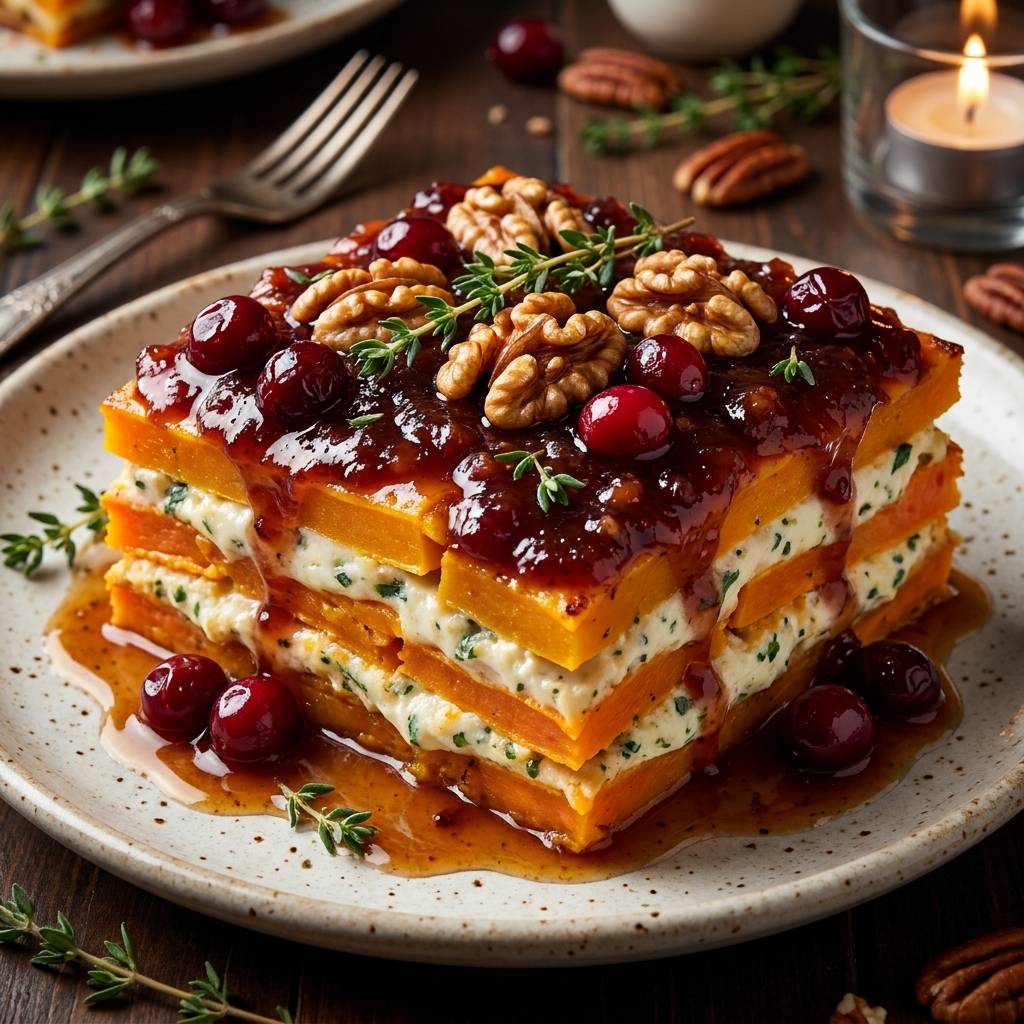
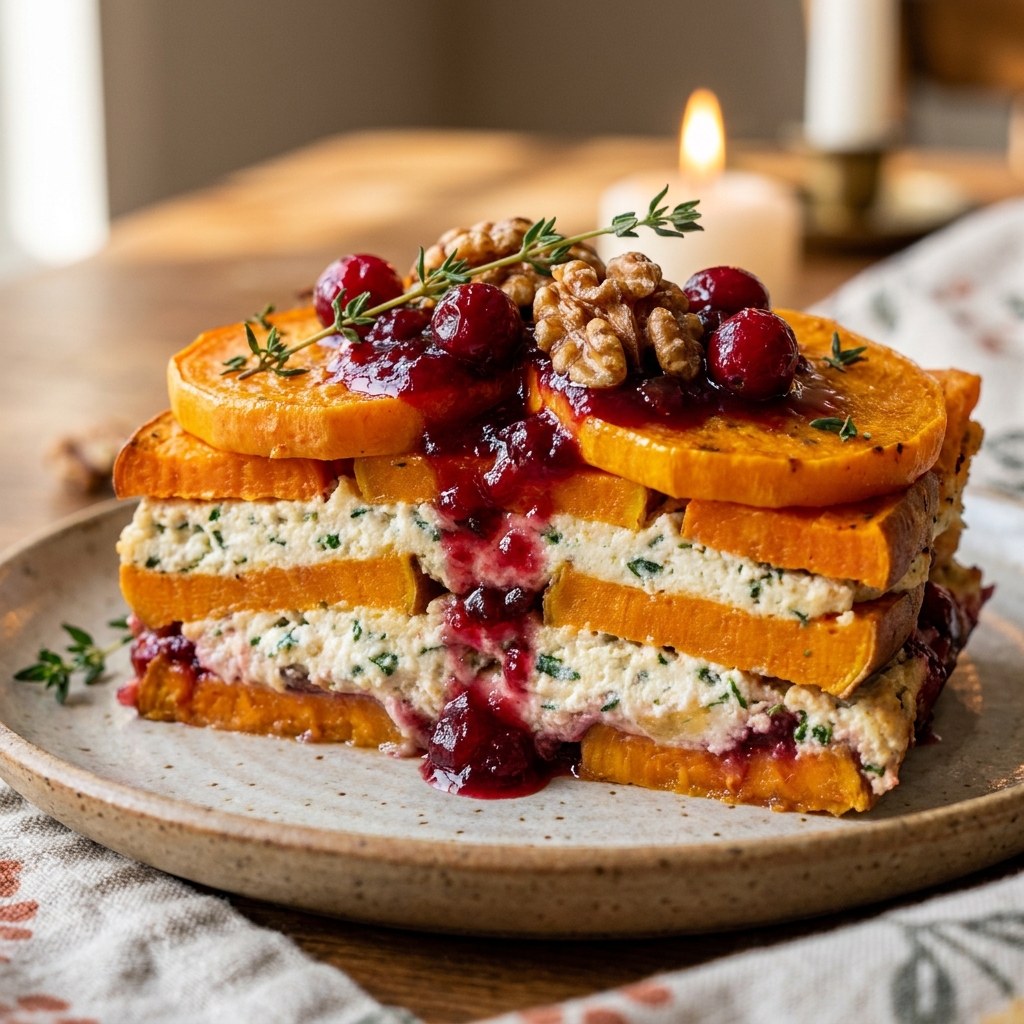
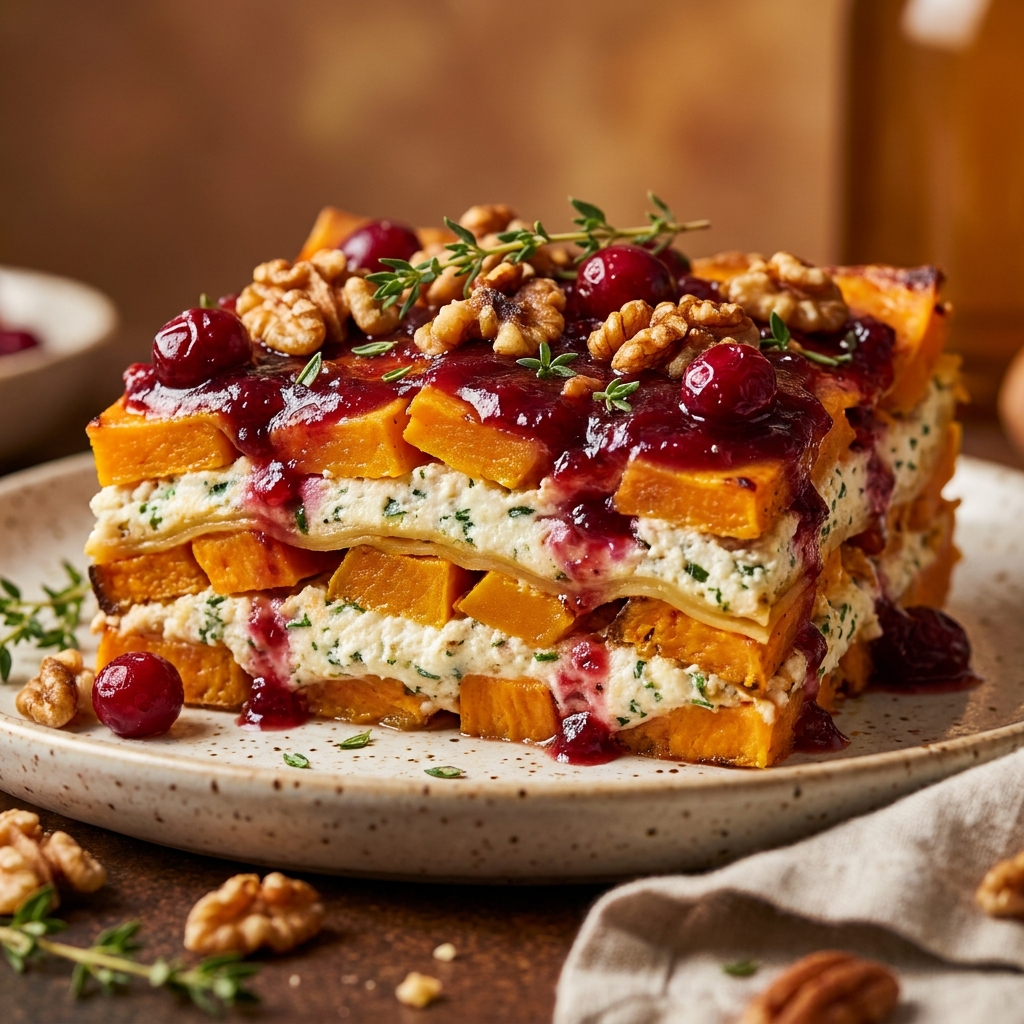
Potato Butternut Lasagna is the cozy comfort bake you didn’t know your fall table was missing. Most vegetable lasagnas turn into a soggy mess because squash releases liquid during baking. After three failed attempts, I learned to roast the squash and salt the potatoes to draw out moisture first. The aroma of sage browning in butter while squash caramelizes fills the kitchen with a warm, nutty perfume. For another cozy dinner, my Hearty Butternut Squash & Spinach Lasagna pairs similar fall flavors with a creamy twist. Jump to the recipe card or keep reading for my best tips. You might also love my Hearty Butternut Squash & Spinach Lasagna.

What I Use
Ninja Prestige Smart XL Pro Cook System
Getting even, golden roasting on squash slices is the hardest part of this recipe. I use the Ninja Prestige Smart XL Pro Cook System every time — its dual-heat convection roasts vegetables evenly without flipping. I've used this system for 2 years and every squash slice comes out perfectly caramelized. It's Prime eligible and ships free.
Check Price on Amazon →Why You'll Love This Potato Butternut Lasagna: Creamy Fall Comfort Bake
- Roasted sage bechamel replaces tomato sauce for a nutty, aromatic depth you won't find in standard lasagna recipes.
- Salt-cured sweet potato slices keep their structure instead of collapsing into mush during the long bake.
- Three-cheese blend creates a stretchy, golden top that pulls apart in satisfying, stringy ribbons.
- Make-ahead friendly — assemble the night before and bake straight from the fridge for stress-free holiday prep.
Ingredients for Potato Butternut Lasagna: Creamy Fall Comfort Bake
Exact amounts are in the printable recipe card below — here's what you'll need at a glance.
Main Ingredients
- 2 medium sweet potatoes, peeled and thinly sliced (1/8 inch)
- 1 medium butternut squash, peeled, seeded, and sliced (1/8 inch)
- 9 lasagna noodles (standard or no-boil)
- 3 cups whole milk ricotta cheese
- 2 cups shredded mozzarella cheese, divided
- 1 cup freshly grated Parmesan cheese, divided
- 3 tablespoons unsalted butter
- 3 tablespoons all-purpose flour
- 2 cups whole milk, warmed
- 1 tablespoon fresh sage, finely chopped
Seasonings & Flavors
- 1 teaspoon kosher salt (for bechamel)
- 1/2 teaspoon black pepper
- 1/2 teaspoon ground nutmeg
- 1 tablespoon olive oil (for roasting squash)
- 1 teaspoon kosher salt (for drawing moisture from sweet potatoes)
Optional Toppings
- (Optional) Fresh sage leaves, fried in butter until crispy
- (Optional) Toasted pine nuts
- (Optional) Crumbled crispy pancetta
- (Optional) Extra freshly grated Parmesan cheese
- (Optional) Freshly grated nutmeg
Ingredient Notes
- Sweet potatoes: These replace traditional meat layers and add natural sweetness. Slice them exactly 1/8 inch thick — thicker slices won't soften fully during baking. This is the ingredient most likely to cause soggy layers if you skip the salting step. Yukon Gold potatoes work as a substitute but lose the sweet-savory contrast.
- Butternut squash: Provides the tender, melt-in-your-mouth layer. Pre-roasting concentrates the flavor and removes excess water. Kabocha or delicata squash work well too, but butternut has the best moisture content for layering.
- Fresh sage: The defining herb that makes this lasagna taste like fall. Browning it in butter blooms the oils and creates a nutty aroma. Dried sage works in a pinch but loses the fresh, piney top notes. Use 1 teaspoon dried if substituting.
- Ricotta cheese: Creates the creamy binder between vegetable layers. Whole milk ricotta has the right moisture content — part-skim gets grainy. Drain excess liquid from the container before using if it looks watery.
- Lasagna noodles: Standard boiled noodles give the best texture, but no-boil noodles save time. No-boil noodles absorb more sauce, so add an extra 1/4 cup of bechamel if using them.
How to Make Potato Butternut Lasagna: Creamy Fall Comfort Bake Step by Step
Salt and prep sweet potatoes
Slice sweet potatoes to 1/8-inch thickness using a mandoline or very sharp knife. Lay slices in a single layer on paper towels and sprinkle generously with kosher salt. Let them sit 30 minutes — you'll see beads of moisture forming on the surface. Pat completely dry with fresh paper towels before layering. Warning: Skip this step and your lasagna will be a watery puddle that slides apart when sliced.
Roast butternut squash
Preheat oven to 400°F. Toss squash slices with olive oil, salt, and pepper. Arrange in a single layer on a parchment-lined baking sheet. Roast 18–22 minutes until edges are golden and caramelized. A fork should pierce the center with slight resistance. Watch for burning — thin edges darken fast, so check at 18 minutes. Let cool slightly before handling.
Make sage bechamel
Melt butter in a saucepan over medium heat. Add chopped sage and cook until it crackles and smells nutty, about 1 minute. Add flour and whisk constantly for 2 minutes until it smells like toasted nuts. Gradually whisk in warm milk to prevent lumps. Cook 6–8 minutes, stirring constantly, until the sauce coats the back of a spoon. Stir in nutmeg, salt, and pepper. Remove from heat. Warning: If the sauce gets too thick, whisk in warm milk one tablespoon at a time.
Prepare ricotta filling
In a bowl, combine ricotta, 1 cup mozzarella, 1/2 cup Parmesan, and a pinch of nutmeg. Mix until smooth and spreadable. The texture should be creamy and hold its shape when scooped. If it's too wet, the layers will slide apart during baking.
Assemble the lasagna layers
Spread 1/2 cup bechamel on the bottom of a 9×13 baking dish. Layer 3 noodles, slightly overlapping. Add a third of the ricotta mixture, then a layer of sweet potato slices, then squash slices. Drizzle with bechamel. Repeat for 2 more layers. Top with remaining noodles, bechamel, mozzarella, and Parmesan. Warning: Don't overfill — leave 1/2 inch of space at the top for bubbling.
Bake covered
Cover tightly with foil. Spray the underside with cooking spray so cheese doesn't stick. Bake at 375°F for 35 minutes. The edges should be bubbling gently and noodles should be tender when pierced through the foil. Watch for foil touching the cheese — it will tear off the top layer when removed.
Bake uncovered and finish
Remove foil and bake 15–20 more minutes until the top is deep golden with crispy, bubbling cheese edges. You'll hear a gentle sizzle and smell toasted Parmesan. If the top browns too fast, tent loosely with foil. The center should register 165°F on a thermometer.
Rest and serve
Remove from oven and let rest 15 minutes before slicing. This is non-negotiable — the layers need time to set and absorb residual sauce. Cut with a sharp knife using a gentle sawing motion. Serve warm with extra Parmesan and crispy sage leaves on top.
Pro Tips for the Best Potato Butternut Lasagna: Creamy Fall Comfort Bake
- Ingredient prep: Slice sweet potatoes exactly 1/8 inch thick using a mandoline. Thicker slices won't cook through and thinner ones disintegrate into paste during baking. Consistency matters more than speed here.
- Common mistake and fix: The number one failure is watery, sliding layers. This happens because raw squash and sweet potatoes release water during baking. Fix it by salting sweet potato slices for 30 minutes and roasting squash before layering. If your baked lasagna is already watery, let it rest 20 minutes uncovered so excess moisture evaporates before slicing.
- Timing and temperature: Bake covered for the first 35 minutes so noodles soften properly. Then uncover for the final 15–20 minutes. This two-stage method prevents dried-out cheese while ensuring tender pasta underneath.
- Texture and flavor enhancement: Brown the sage in butter until it crackles and smells nutty before adding flour. This blooms the sage oils and creates a deeper, more complex flavor than adding raw herbs to the sauce.
Storing and Reheating Potato Butternut Lasagna: Creamy Fall Comfort Bake
Refrigerator Storage
Store in an airtight glass container for up to 4 days. Let cool completely before covering to prevent condensation from making the top soggy.
Freezing Potato Butternut Lasagna: Creamy Fall Comfort Bake
Wrap tightly in foil, then cover with plastic wrap. Freeze for up to 2 months. For individual portions, wrap slices in foil and store in a freezer bag.
Reheating in the Oven
Reheat at 350°F for 20–25 minutes covered with foil. Add a tablespoon of milk around the edges to restore moisture and keep the cheese from drying out.
Reheating in the Microwave
Use 50% power for 2–3 minutes. Cover with a damp paper towel to prevent sogginess and distribute heat evenly without rubbery cheese.
Make Ahead
Assemble the full lasagna without baking up to 24 hours ahead. Cover tightly with foil and refrigerate. Bake straight from the fridge, adding 10 extra minutes to the covered baking time.
Potato Butternut Lasagna: Creamy Fall Comfort Bake
Prep
45 minutes
Cook
55 minutes
Total
1 hour 40 minutes
Yield
8 servings
Category
Dinner
Method
Baking
Cuisine
American
Diet
Vegetarian
Ingredients
Main Ingredients
- 2 medium sweet potatoes, peeled and thinly sliced (1/8 inch)
- 1 medium butternut squash, peeled, seeded, and sliced (1/8 inch)
- 9 lasagna noodles (standard or no-boil)
- 3 cups whole milk ricotta cheese
- 2 cups shredded mozzarella cheese, divided
- 1 cup freshly grated Parmesan cheese, divided
- 3 tablespoons unsalted butter
- 3 tablespoons all-purpose flour
- 2 cups whole milk, warmed
- 1 tablespoon fresh sage, finely chopped
Seasonings & Flavors
- 1 teaspoon kosher salt (for bechamel)
- 1/2 teaspoon black pepper
- 1/2 teaspoon ground nutmeg
- 1 tablespoon olive oil (for roasting squash)
- 1 teaspoon kosher salt (for drawing moisture from sweet potatoes)
Optional
- Fresh sage leaves, fried in butter until crispy
- Toasted pine nuts
- Crumbled crispy pancetta
- Extra freshly grated Parmesan cheese
- Freshly grated nutmeg
Instructions
- 1Salt and prep sweet potatoes: Slice sweet potatoes to 1/8-inch thickness using a mandoline or very sharp knife. Lay slices in a single layer on paper towels and sprinkle generously with kosher salt. Let them sit 30 minutes — you'll see beads of moisture forming on the surface. Pat completely dry with fresh paper towels before layering. Warning: Skip this step and your lasagna will be a watery puddle that slides apart when sliced.
- 2Roast butternut squash: Preheat oven to 400°F. Toss squash slices with olive oil, salt, and pepper. Arrange in a single layer on a parchment-lined baking sheet. Roast 18–22 minutes until edges are golden and caramelized. A fork should pierce the center with slight resistance. Watch for burning — thin edges darken fast, so check at 18 minutes. Let cool slightly before handling.
- 3Make sage bechamel: Melt butter in a saucepan over medium heat. Add chopped sage and cook until it crackles and smells nutty, about 1 minute. Add flour and whisk constantly for 2 minutes until it smells like toasted nuts. Gradually whisk in warm milk to prevent lumps. Cook 6–8 minutes, stirring constantly, until the sauce coats the back of a spoon. Stir in nutmeg, salt, and pepper. Remove from heat. Warning: If the sauce gets too thick, whisk in warm milk one tablespoon at a time.
- 4Prepare ricotta filling: In a bowl, combine ricotta, 1 cup mozzarella, 1/2 cup Parmesan, and a pinch of nutmeg. Mix until smooth and spreadable. The texture should be creamy and hold its shape when scooped. If it's too wet, the layers will slide apart during baking.
- 5Assemble the lasagna layers: Spread 1/2 cup bechamel on the bottom of a 9×13 baking dish. Layer 3 noodles, slightly overlapping. Add a third of the ricotta mixture, then a layer of sweet potato slices, then squash slices. Drizzle with bechamel. Repeat for 2 more layers. Top with remaining noodles, bechamel, mozzarella, and Parmesan. Warning: Don't overfill — leave 1/2 inch of space at the top for bubbling.
- 6Bake covered: Cover tightly with foil. Spray the underside with cooking spray so cheese doesn't stick. Bake at 375°F for 35 minutes. The edges should be bubbling gently and noodles should be tender when pierced through the foil. Watch for foil touching the cheese — it will tear off the top layer when removed.
- 7Bake uncovered and finish: Remove foil and bake 15–20 more minutes until the top is deep golden with crispy, bubbling cheese edges. You'll hear a gentle sizzle and smell toasted Parmesan. If the top browns too fast, tent loosely with foil. The center should register 165°F on a thermometer.
- 8Rest and serve: Remove from oven and let rest 15 minutes before slicing. This is non-negotiable — the layers need time to set and absorb residual sauce. Cut with a sharp knife using a gentle sawing motion. Serve warm with extra Parmesan and crispy sage leaves on top.
Recipe Notes
- Chef tip: Always warm the milk before adding it to the roux. Cold milk hits hot flour and creates instant lumps that you can never fully whisk out. Warm milk blends smoothly into a silky bechamel every time.
- Best substitution: Replace sweet potatoes with Yukon Gold potatoes for a more traditional, earthy flavor. The moisture-control steps remain the same. You lose the sweet-savory contrast but gain a more classic lasagna profile.
- Make-ahead: Assemble the entire lasagna up to 24 hours in advance and refrigerate unbaked. Add 10 extra minutes to the covered baking time. Hold the final cheese topping until just before the uncovered bake for the best golden crust.
- Scaling: Double the recipe for a crowd using two 9×13 dishes. Do not stack layers higher than 4 noodles deep or the center won't cook through. Scale all ingredients proportionally except salt — taste the bechamel before adding more.
- Troubleshooting: If your lasagna is watery after baking, the root cause is excess vegetable moisture that wasn't removed before layering. To prevent this, always salt sweet potatoes for 30 minutes and roast squash until edges caramelize. To recover a watery baked lasagna, let it rest uncovered for 20 minutes so moisture evaporates, then reheat briefly to re-crisp the top.
Nutrition Per Serving
- Calories: 460 kcal
- Protein: 18g
- Fat: 22g
- Saturated Fat: 12g
- Carbohydrates: 48g
- Fiber: 6g
- Sugar: 8g
- Sodium: 680mg
- Cholesterol: 55mg
Nutritional values are estimates only. Actual values may vary by brand and portion size.
Made this recipe?
I’d love to see how your Potato Butternut Lasagna: Creamy Fall Comfort Bake turned out — leave a star rating and a comment below. I read every one!
Frequently Asked Questions about Potato Butternut Lasagna: Creamy Fall Comfort Bake
How do you store leftover Potato Butternut Lasagna?
Store leftover Potato Butternut Lasagna in an airtight glass container in the fridge for up to 4 days. Let it cool completely before covering to prevent condensation. Glass containers keep the layers from getting crushed and reheat more evenly than plastic.
Why does my Potato Butternut Lasagna come out watery?
Potato Butternut Lasagna gets watery when raw vegetables release water during baking. The fix is to salt sweet potato slices for 30 minutes and pat them dry before layering. Also roast the butternut squash beforehand. Never skip these steps or the layers will slide apart into soup.
Can I freeze butternut squash lasagna after baking?
Yes, you can freeze baked butternut squash lasagna for up to 2 months. Wrap the whole dish tightly in foil, then cover with plastic wrap. For individual portions, wrap slices in foil and store in a freezer bag. Thaw overnight in the fridge before reheating.
What side dishes pair well with this for Thanksgiving?
Serve this lasagna with a simple arugula salad dressed with lemon and olive oil. The peppery greens cut through the rich cheese perfectly. Garlic bread or crusty sourdough also works for soaking up extra sage bechamel. It makes a great vegetarian main alongside traditional turkey.
Can I use regular potatoes instead of sweet potatoes?
You can use Yukon Gold potatoes instead of sweet potatoes, but the flavor changes significantly. Sweet potatoes add natural sweetness that balances the savory sage bechamel. Regular potatoes make a more earthy, traditional dish. The moisture-control steps remain the same either way.




[…] This Chocolate Chip Cookie recipe brings together brown butter and pumpkin for a cookie that stays soft for days. Most pumpkin cookies turn out cakey, bland, and spread into sad puddles on the pan. I have tested this recipe over thirty batches across three fall seasons to nail the ratios. The nutty aroma of browned butter hits you the second these come out of the oven. If you want a savory companion for your fall baking spree, my Sweet Potato & Butternut Lasagna is a crowd pleaser too. Jump to the recipe card or keep reading for my best tips. You might also love my Sweet Potato & Butternut Lasagna. […]