
Follow Me On Social Media!

Dark Chocolate Peanut Butter Cake Recipe – Decadent
Dark Chocolate Peanut Butter Cake is rich, gooey, and deeply decadent with creamy peanut butter frosting. Great for birthdays or celebrations. Get the recipe.

This Dark Chocolate Peanut Butter Cake brings together everything I love about desserts in one pan. Most recipes turn out dry, dense, or lacking real peanut flavor. After testing this cake twelve times, I finally cracked the secret to moist crumb and bold taste. The batter smells like roasted peanuts melting into dark cocoa. If you love nutty desserts, my pecan pie recipe uses the same toasting technique for deeper flavor. Jump to the recipe card or keep reading for my best tips. You might also love my my pecan pie recipe.
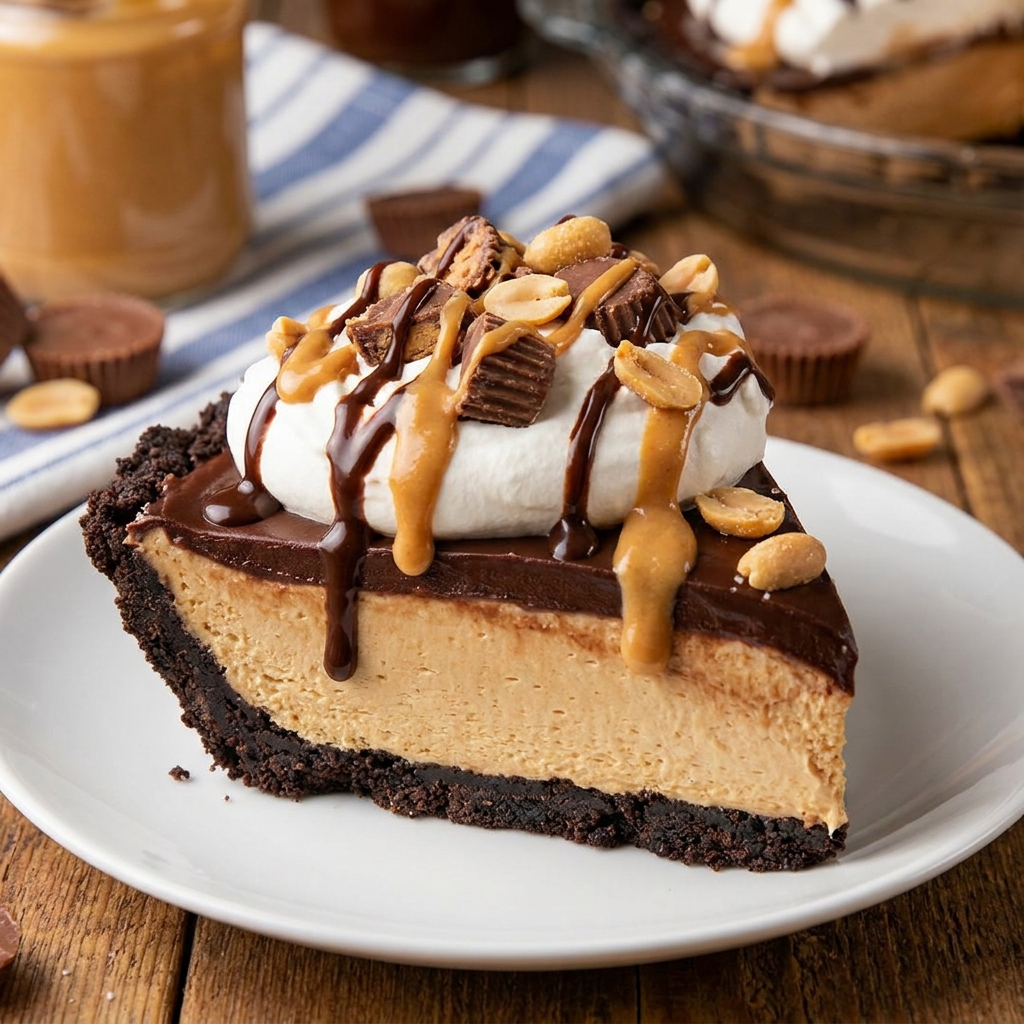

What I Use
Ninja Prestige Smart XL Pro Cook System
Baking both cake layers evenly is the hardest part — standard ovens create hot spots that warp your layers. I use the Ninja Prestige Smart XL Pro Cook System every time because its built-in thermometer and convection mode bake both pans at the same rate. I've used it for two years with zero sunken centers. It's Prime eligible and ships free.
Check Price on Amazon →Why You'll Love This Dark Chocolate Peanut Butter Cake Recipe – Decadent
- Two layers of dark cocoa cake soaked with hot coffee for moisture you can feel three days later.
- Real roasted peanut butter in both cake batter and frosting, not just spread on top.
- Cream cheese frosting sets firm enough to stack but stays creamy when you bite in.
- Takes under 90 minutes start to finish, faster than most double-layer cakes.
- Espresso powder amplifies the dark cocoa without any coffee taste in the final cake.
Ingredients for Dark Chocolate Peanut Butter Cake Recipe – Decadent
Exact amounts are in the printable recipe card below — here's what you'll need at a glance.
Main Ingredients
- 1½ cups all-purpose flour
- 1 cup dark Dutch-processed cocoa powder
- 1½ cups granulated sugar
- 2 large eggs, room temperature
- ½ cup creamy peanut butter (no-stir variety)
- ½ cup buttermilk, room temperature
- ⅓ cup vegetable oil
- 1 tsp vanilla extract
- ¾ cup hot brewed coffee
- 1 tsp baking powder
- ½ tsp baking soda
- ½ tsp kosher salt
- ¼ tsp espresso powder
Seasonings & Flavors
- 1 tsp vanilla extract
- ½ tsp kosher salt
- ¼ tsp espresso powder
- Pinch of flaky sea salt for finishing
Optional Toppings
- (Optional) Chopped roasted peanuts
- (Optional) Dark chocolate shavings
- (Optional) Flaky sea salt
- (Optional) Crushed peanut butter cup quarters
- (Optional) Drizzle of warm chocolate ganache
Ingredient Notes
- Dark Dutch-processed cocoa powder: This is the backbone of the cake's flavor. Dutch-processed cocoa has been alkalized, which means it's darker, less acidic, and smoother than natural cocoa. It also means it won't react with baking soda the way natural cocoa does, so we rely on buttermilk for acid. Substituting natural cocoa will make the cake lighter in color and more acidic in taste. This is the ingredient most people get wrong — using Hershey's natural cocoa instead of Dutch-processed changes the entire cake.
- Creamy peanut butter (no-stir): No-stir peanut butter has emulsifiers that keep the oil incorporated, which is critical for smooth batter. Natural peanut butter that separates will cause oil pockets in your cake. I use Skippy or Jif. If you only have natural peanut butter, stir it aggressively for two minutes before measuring.
- Vegetable oil: Oil instead of butter is intentional. Oil stays liquid at room temperature, which means the cake stays moist for days. Butter solidifies when cool, making cakes dense by day two. You sacrifice some buttery flavor, but the dark cocoa and peanut butter more than compensate.
- Buttermilk: Buttermilk provides the acid that activates baking soda in this recipe. Without it, your cake won't rise properly. Substitute ½ cup milk plus ½ tbsp white vinegar, let sit for 5 minutes. The flavor is slightly less tangy but still works.
- Hot brewed coffee: Hot liquid blooms the cocoa powder, releasing flavor compounds that cold liquid can't. You won't taste coffee in the final cake. Substitute hot water if needed, but you'll lose about 20% of the chocolate depth.
- Espresso powder: This is a flavor enhancer, not a coffee additive. Espresso powder contains compounds that amplify chocolate without adding discernible coffee taste. Omit it if you must, but the cake will taste flatter.
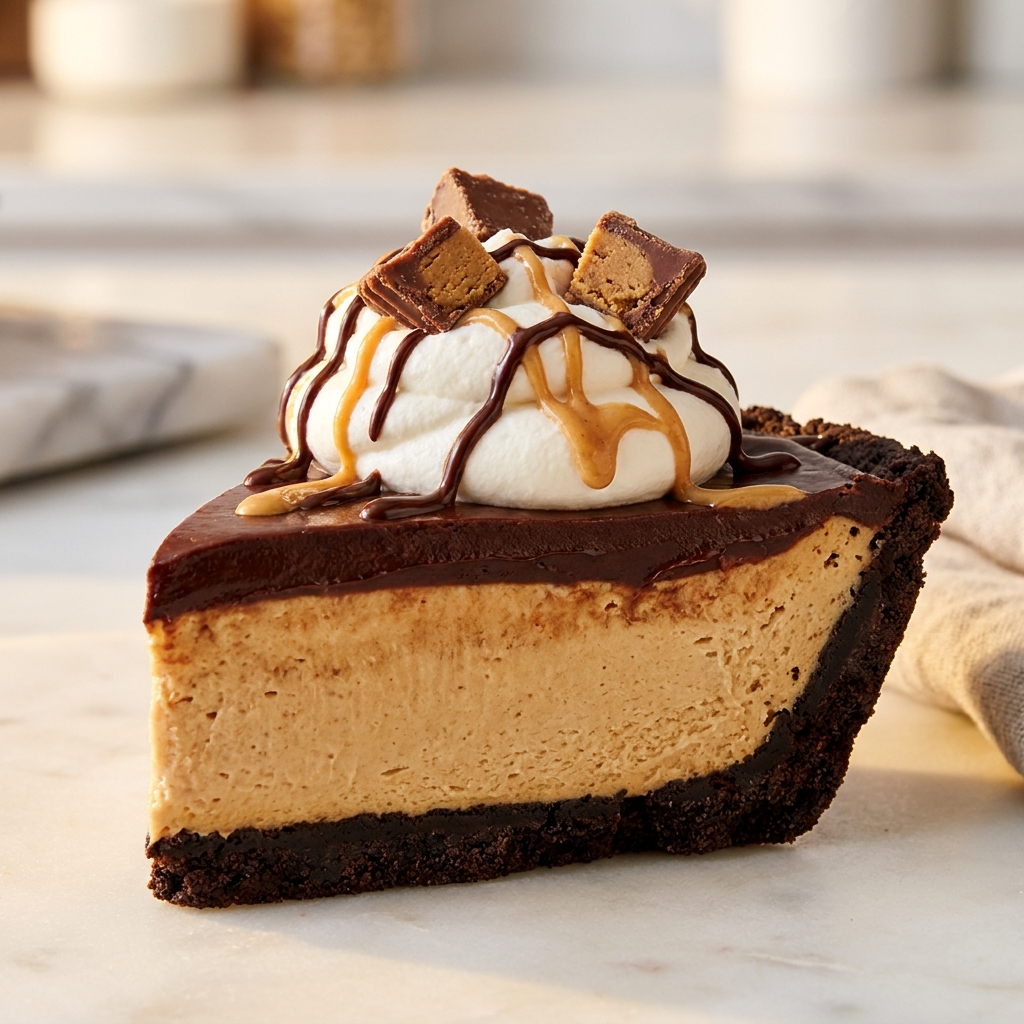
How to Make Dark Chocolate Peanut Butter Cake Recipe – Decadent Step by Step
Prep and Preheat
Preheat oven to 350°F. Grease two 8-inch round cake pans with butter and line the bottoms with parchment paper rounds. This prevents sticking and gives you clean, flat edges. Watch for pans that aren't truly level — warped pans cause uneven layers that crack when stacked. If your pans wobble on the counter, replace them.
Sift Dry Ingredients
Sift 1½ cups all-purpose flour, 1 cup dark cocoa powder, 1 tsp baking powder, ½ tsp baking soda, ½ tsp kosher salt, and ¼ tsp espresso powder into a medium bowl. Sifting cocoa is non-negotiable — cocoa lumps are stubborn and create dry, bitter pockets in the baked cake. Whisk gently to combine after sifting. The mixture should be uniform dark brown with no streaks.
Mix Wet Ingredients
In a large bowl, whisk 2 large eggs, 1½ cups granulated sugar, ½ cup creamy peanut butter, ⅓ cup vegetable oil, ½ cup buttermilk, and 1 tsp vanilla extract until completely smooth. The mixture should look glossy with zero peanut butter streaks. If it looks clumpy or separated, your ingredients were too cold. Let the bowl sit in warm water for 5 minutes and try again.
Combine Batter
Add the dry ingredients to the wet in three parts, alternating with ¾ cup hot brewed coffee. Start and end with dry ingredients. Mix on low speed just until no flour streaks remain — about 15 seconds after the last addition. Overmixing develops gluten and makes the cake sink in the center. The batter will be thin and pourable, almost like heavy cream. That's correct.
Bake
Divide batter evenly between the two prepared pans. Tap each pan firmly on the counter twice to release trapped air bubbles. Bake at 350°F for 28–32 minutes. The cake is done when a toothpick inserted in the center comes out with a few moist crumbs, not wet batter. The top should spring back when lightly pressed and smell deeply of chocolate. If the toothpick comes out clean, you've overbaked — pull it 2 minutes earlier next time.
Cool
Let cakes cool in the pans for exactly 10 minutes. Run a butter knife around the edges to release, then invert onto wire cooling racks. Cool completely before frosting — at least 45 minutes. Frosting a warm cake causes it to melt and slide right off. You should be able to hold your hand on the cake bottom for 5 seconds without discomfort.
Make Frosting
Beat 8 oz softened cream cheese and ½ cup creamy peanut butter together until smooth and fluffy, about 2 minutes. Gradually add 3 cups powdered sugar, 1 tsp vanilla extract, and a pinch of salt. Add 3 tbsp heavy cream one tablespoon at a time until the frosting is spreadable but holds its shape. If it gets too soft from warm ingredients, chill the bowl for 10 minutes and re-whip.
Assemble and Frost
Place the first cake layer on your serving plate. Spread about ¾ cup frosting evenly across the top — use an offset spatula for smooth coverage. Place the second layer on top, flat side up. Frost the top first, then the sides, building up a thin crumb coat, then a second thicker layer. Garnish with chopped peanuts or chocolate shavings. Let the frosted cake set for 20 minutes before slicing for clean cuts.
Pro Tips for the Best Dark Chocolate Peanut Butter Cake Recipe – Decadent
- Ingredient prep: Bring eggs, buttermilk, and peanut butter to room temperature at least 30 minutes before mixing. Cold peanut butter will clump in the batter and create dense pockets. I set mine on the counter while preheating the oven — perfect timing.
- Common mistake and fix: The number one failure is a sunken center, and it's caused by overmixing the batter after adding flour. Every turn of the mixer develops gluten, which traps air that collapses during baking. Mix exactly 15 seconds after the last flour addition — set a timer. If your cake already sank, trim the dome off with a serrated knife and use extra frosting to level it. Nobody will know.
- Temperature control: Use an oven thermometer to verify your oven is actually 350°F. Most home ovens run 15–25 degrees off. If your oven runs hot, the cake sets too fast on the outside and stays raw inside. If it runs cool, the cake over-spreads and gets flat. Check it once and adjust your dial accordingly.
- Make-ahead and storage: Bake the cake layers up to two days ahead. Wrap each layer tightly in plastic wrap while still slightly warm — the trapped steam keeps them moist. Store at room temperature. Make the frosting separately and refrigerate it, then bring everything to room temp before assembling.
Storing and Reheating Dark Chocolate Peanut Butter Cake Recipe – Decadent
Refrigerator Storage
Store the assembled cake in an airtight cake carrier or covered with a cake dome in the fridge for up to 4 days. Let it sit at room temperature for 30 minutes before serving so the frosting softens.
Freezing Dark Chocolate Peanut Butter Cake Recipe – Decadent
Wrap unfrosted cake layers individually in two layers of plastic wrap, then foil. Freeze for up to 3 months. Thaw overnight in the fridge, then bring to room temp before frosting. Frosted cake does not freeze well — the frosting separates.
Reheating in the Oven
Warm individual slices at 300°F for 8–10 minutes on a parchment-lined baking sheet. The cake will taste freshly baked. Do not exceed 10 minutes or the frosting will melt and the cake will dry out.
Reheating in the Microwave
Microwave a single slice at 50% power for 15 seconds. Place a damp paper towel loosely over the slice to prevent the edges from drying. Check and add 5-second intervals if needed. The frosting should be soft but not melted.
Make Ahead
Bake cake layers up to 2 days ahead and wrap in plastic wrap at room temp. Make frosting up to 3 days ahead and refrigerate. Assemble the cake the day you plan to serve it. Hold garnishes until just before serving so they stay crunchy.
Dark Chocolate Peanut Butter Cake Recipe – Decadent
Prep
30 minutes
Cook
28–32 minutes
Total
1 hour 30 minutes
Yield
12 servings
Category
dessert
Method
Baking
Cuisine
American
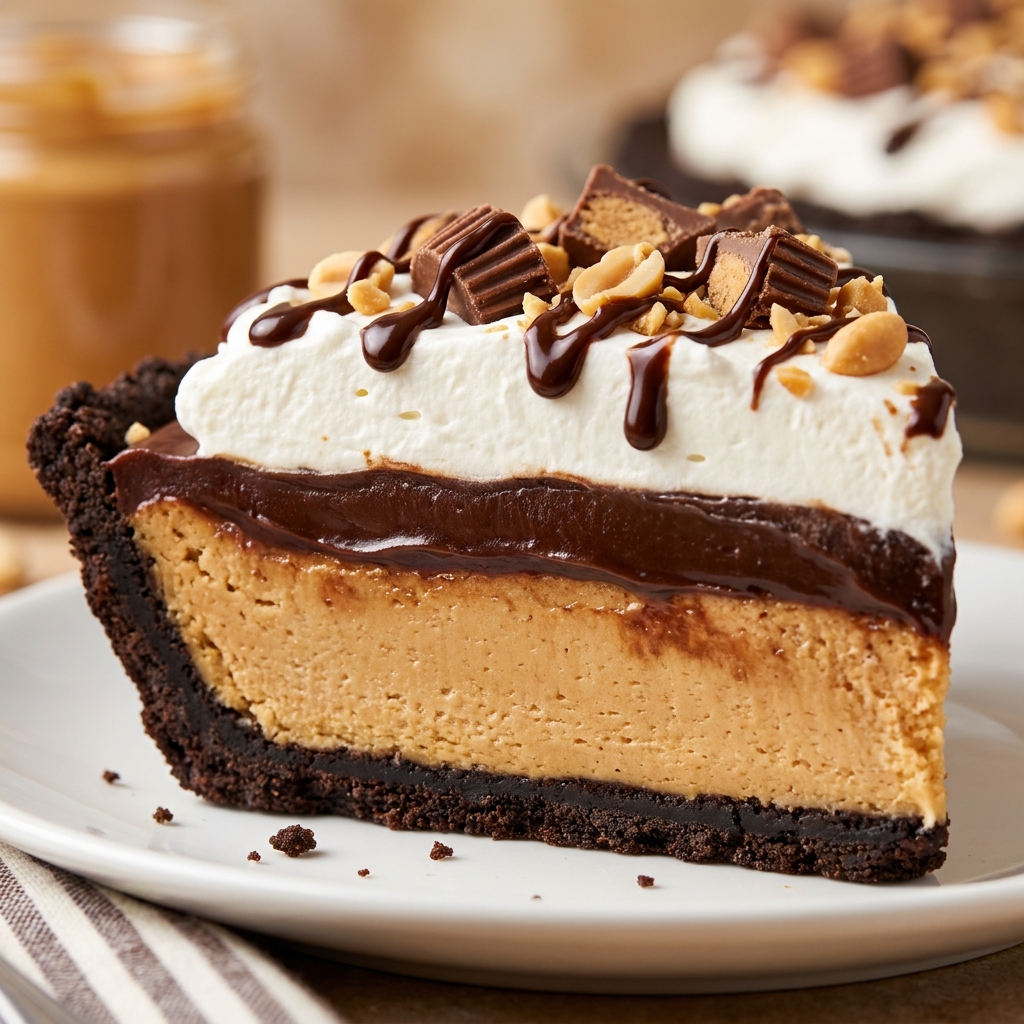
Ingredients
Main Ingredients
- 1½ cups all-purpose flour
- 1 cup dark Dutch-processed cocoa powder
- 1½ cups granulated sugar
- 2 large eggs, room temperature
- ½ cup creamy peanut butter (no-stir variety)
- ½ cup buttermilk, room temperature
- ⅓ cup vegetable oil
- 1 tsp vanilla extract
- ¾ cup hot brewed coffee
- 1 tsp baking powder
- ½ tsp baking soda
- ½ tsp kosher salt
- ¼ tsp espresso powder
Seasonings & Flavors
- 1 tsp vanilla extract
- ½ tsp kosher salt
- ¼ tsp espresso powder
- Pinch of flaky sea salt for finishing
Optional
- Chopped roasted peanuts
- Dark chocolate shavings
- Flaky sea salt
- Crushed peanut butter cup quarters
- Drizzle of warm chocolate ganache
Instructions
- 1Prep and Preheat: Preheat oven to 350°F. Grease two 8-inch round cake pans with butter and line the bottoms with parchment paper rounds. This prevents sticking and gives you clean, flat edges. Watch for pans that aren't truly level — warped pans cause uneven layers that crack when stacked. If your pans wobble on the counter, replace them.
- 2Sift Dry Ingredients: Sift 1½ cups all-purpose flour, 1 cup dark cocoa powder, 1 tsp baking powder, ½ tsp baking soda, ½ tsp kosher salt, and ¼ tsp espresso powder into a medium bowl. Sifting cocoa is non-negotiable — cocoa lumps are stubborn and create dry, bitter pockets in the baked cake. Whisk gently to combine after sifting. The mixture should be uniform dark brown with no streaks.
- 3Mix Wet Ingredients: In a large bowl, whisk 2 large eggs, 1½ cups granulated sugar, ½ cup creamy peanut butter, ⅓ cup vegetable oil, ½ cup buttermilk, and 1 tsp vanilla extract until completely smooth. The mixture should look glossy with zero peanut butter streaks. If it looks clumpy or separated, your ingredients were too cold. Let the bowl sit in warm water for 5 minutes and try again.
- 4Combine Batter: Add the dry ingredients to the wet in three parts, alternating with ¾ cup hot brewed coffee. Start and end with dry ingredients. Mix on low speed just until no flour streaks remain — about 15 seconds after the last addition. Overmixing develops gluten and makes the cake sink in the center. The batter will be thin and pourable, almost like heavy cream. That's correct.
- 5Bake: Divide batter evenly between the two prepared pans. Tap each pan firmly on the counter twice to release trapped air bubbles. Bake at 350°F for 28–32 minutes. The cake is done when a toothpick inserted in the center comes out with a few moist crumbs, not wet batter. The top should spring back when lightly pressed and smell deeply of chocolate. If the toothpick comes out clean, you've overbaked — pull it 2 minutes earlier next time.
- 6Cool: Let cakes cool in the pans for exactly 10 minutes. Run a butter knife around the edges to release, then invert onto wire cooling racks. Cool completely before frosting — at least 45 minutes. Frosting a warm cake causes it to melt and slide right off. You should be able to hold your hand on the cake bottom for 5 seconds without discomfort.
- 7Make Frosting: Beat 8 oz softened cream cheese and ½ cup creamy peanut butter together until smooth and fluffy, about 2 minutes. Gradually add 3 cups powdered sugar, 1 tsp vanilla extract, and a pinch of salt. Add 3 tbsp heavy cream one tablespoon at a time until the frosting is spreadable but holds its shape. If it gets too soft from warm ingredients, chill the bowl for 10 minutes and re-whip.
- 8Assemble and Frost: Place the first cake layer on your serving plate. Spread about ¾ cup frosting evenly across the top — use an offset spatula for smooth coverage. Place the second layer on top, flat side up. Frost the top first, then the sides, building up a thin crumb coat, then a second thicker layer. Garnish with chopped peanuts or chocolate shavings. Let the frosted cake set for 20 minutes before slicing for clean cuts.
Recipe Notes
- Chef tip: Always taste your cocoa powder before baking. Dutch-processed cocoa varies wildly between brands — some taste flat and dusty, others taste rich and fruity. I use Guittard or Valrhona for this recipe. The better your cocoa, the less sugar you need, and the deeper the flavor.
- Best substitution: Replace buttermilk with ½ cup whole milk plus ½ tablespoon white vinegar or lemon juice. Let it sit for 5 minutes until it curdles slightly. The cake will be slightly less tangy but still moist. Do not use skim milk — the fat content matters for texture.
- Make-ahead: Bake the layers the day before, wrap tightly in plastic wrap while slightly warm, and leave at room temperature overnight. This actually improves the texture — the crumb settles and becomes more tender. Make frosting the same day you assemble.
- Scaling: To make this as a single 9×13 sheet cake, use the same batter amount and bake at 350°F for 35–40 minutes. For cupcakes, fill liners ⅔ full and bake 18–22 minutes. Halve the frosting recipe for a sheet cake; keep it full for cupcakes.
- Troubleshooting: If your cake sank in the center, you overmixed the batter or opened the oven door too early. The fix: mix only 15 seconds after the last flour addition, and never open the oven before 25 minutes. If it already sank, trim the dome with a serrated knife and level with extra frosting. If the cake is gummy and wet in the middle, it's underbaked — increase bake time by 3–5 minutes and test with a toothpick for moist crumbs, not wet batter.
Nutrition Per Serving
- Calories: 520 kcal
- Protein: 10g
- Fat: 27g
- Saturated Fat: 8g
- Carbohydrates: 60g
- Fiber: 3g
- Sugar: 38g
- Sodium: 280mg
- Cholesterol: 45mg
Nutritional values are estimates only. Actual values may vary by brand and portion size.
Made this recipe?
I’d love to see how your Dark Chocolate Peanut Butter Cake Recipe – Decadent turned out — leave a star rating and a comment below. I read every one!
Frequently Asked Questions about Dark Chocolate Peanut Butter Cake Recipe – Decadent
Why does my Dark Chocolate Peanut Butter Cake sink in the middle?
The most common reason is overmixing the batter after adding flour. Each turn of the mixer develops gluten, which traps air bubbles that collapse during baking. Mix exactly 15 seconds after the last flour addition. Another cause is opening the oven door before 25 minutes — the temperature drop makes the cake deflate. If it already sank, trim the dome off and level with extra frosting.
Can I use natural peanut butter instead of no-stir?
Natural peanut butter that separates will cause oil pockets in your cake batter and make the frosting weep. If that's all you have, stir it aggressively for two full minutes until completely emulsified before measuring. No-stir varieties like Skippy or Jif contain emulsifiers that keep everything smooth. The flavor difference is minimal, but the texture difference is huge.
How long does Dark Chocolate Peanut Butter Cake stay fresh?
The assembled cake stays fresh in the fridge for up to 4 days in an airtight container. Because this recipe uses oil instead of butter, the crumb stays moist longer than most cakes — even on day three it tastes tender. Let it sit at room temperature for 30 minutes before serving so the frosting softens to the right consistency.
Can I make Dark Chocolate Peanut Butter Cake for a holiday party?
Absolutely — this cake is perfect for Christmas, Valentine's Day, and birthdays. For a festive holiday version, add ½ tsp cinnamon to the dry ingredients and garnish with crushed candy canes. For Valentine's Day, cut heart shapes from the baked sheet cake instead of making layers. The dark cocoa and peanut butter combination feels indulgent enough for any celebration.
What can I substitute for buttermilk in this recipe?
Mix ½ cup whole milk with ½ tablespoon white vinegar or lemon juice. Let it sit for 5 minutes until it slightly curdles. This provides the acid needed to activate the baking soda for proper rise. Do not use skim milk — the fat content contributes to the cake's tender crumb. Plain full-fat yogurt thinned with a little milk also works well.



[…] German Chocolate Dump Cake gives you gooey coconut-pecan layers and rich chocolate cake in one pan. Most dump cake recipes turn out gummy in the center because the melted butter never reaches the dry cake mix pockets. I burned my first two attempts before learning to pour butter in a slow zigzag that covers every dry spot. The whole kitchen smells like toasted coconut and brown sugar as it bakes. If you love layered chocolate desserts, my dark chocolate peanut butter cake uses a similar slow-pour technique. Jump to the recipe card or keep reading for my best tips. You might also love my rich dark chocolate peanut butter cake. […]