
Follow Me On Social Media!

Spaghetti Squash With Tomato Sauce | Low-Carb Dinner
Spaghetti Squash with tomato sauce yields golden, tender strands that hold sauce without going soggy. Roast it cut-side down at 400 degrees. Try it tonight.

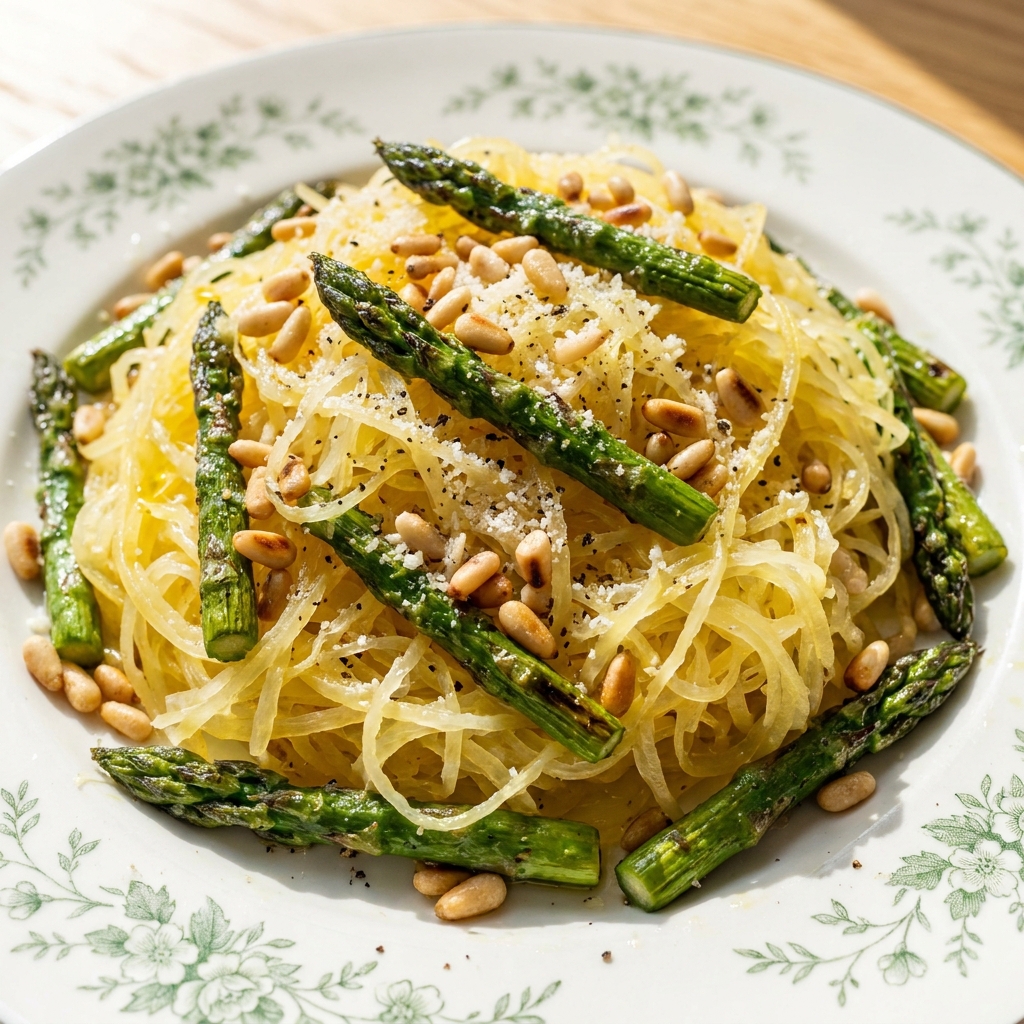
Spaghetti Squash with tomato sauce is the low-carb dinner that actually tastes like you spent all day cooking. Most recipes turn out watery and bland because they boil or microwave the squash into mush. I’ve roasted hundreds of these golden strands over five years and ruined plenty before nailing the cut-side-down trick. You’ll smell the sweet, caramelized edges toasting in the oven before you even see them. For more wholesome meal prep ideas, my Easy High Protein Cinnamon Apple Breakfast Quinoa is another reader favorite that simplifies busy weeks. Jump to the recipe card or keep reading for my best tips. You might also love my Easy High Protein Cinnamon Apple Breakfast Quinoa.

What I Use
Ninja Prestige Smart XL Pro Cook System, 10-in-1, Stainless Steel, DT552
Getting even, consistent heat across a large spaghetti squash is the hardest part of this recipe. Standard ovens have cold spots that leave one half undercooked while the other turns to mush. The Ninja Prestige Smart XL Pro Cook System eliminates that problem with true dual-heat convection and a built-in thermometer. I've roasted 30-plus squash halves in mine with zero uneven results. It's Prime eligible and ships free.
Check Price on Amazon →Why You'll Love This Spaghetti Squash With Tomato Sauce | Low-Carb Dinner
- Golden, caramelized strands that hold their shape and actually grip the sauce instead of sliding off
- The whole meal comes together in 60 minutes with only 8 pantry ingredients and zero specialty items
- Roasting cut-side down creates a tender-crisp texture that mimics real al dente pasta without the carbs
- The tomato sauce simmers on the stovetop while the squash roasts, so both finish at the exact same time
Ingredients for Spaghetti Squash With Tomato Sauce | Low-Carb Dinner
Exact amounts are in the printable recipe card below — here's what you'll need at a glance.
Main Ingredients
- 1 medium spaghetti squash (about 3 pounds)
- 2 tablespoons extra-virgin olive oil (for squash)
- 1 medium yellow onion, diced
- 4 cloves garlic, minced
- 2 cups crushed tomatoes (one 28-ounce can)
- 2 tablespoons extra-virgin olive oil (for sauce)
Seasonings & Flavors
- 1 teaspoon kosher salt (for squash)
- 1/2 teaspoon freshly ground black pepper
- 1 teaspoon dried oregano
- 1 teaspoon dried basil
- 1/4 teaspoon red pepper flakes
- 1 teaspoon kosher salt (for sauce)
Optional Toppings
- (Optional) Grated Parmesan or Pecorino Romano cheese
- (Optional) Fresh basil leaves, roughly chopped
- (Optional) Extra-virgin olive oil for finishing drizzle
- (Optional) Crushed red pepper flakes
- (Optional) Toasted pine nuts
Ingredient Notes
- Spaghetti squash: Choose a firm, pale yellow squash with no soft spots or green streaks. Smaller squashes (2.5–3 lbs) produce more tender, delicate strands. This is the most common failure point — an underripe squash will not separate into strands properly and you'll get clumpy, dense chunks instead.
- Crushed tomatoes: Use high-quality canned crushed tomatoes, not fresh. San Marzano varieties have the best balance of sweetness and acidity. Fresh tomatoes require peeling, seeding, and a much longer simmer to break down. Don't substitute tomato sauce from a can — it's thinner and lacks the rustic texture.
- Extra-virgin olive oil: The olive oil matters here because it carries the caramelization flavor from the roasted squash. Don't substitute vegetable oil — it lacks the fruity depth that balances the acidic tomatoes. A decent mid-range olive oil works fine; you don't need the expensive stuff for roasting.
- Dried oregano and basil: Dried herbs actually work better than fresh in a simmered sauce because they rehydrate slowly and release flavor over time. If you cook fresh basil for 15 minutes, it turns bitter and loses its aroma. Add fresh basil as a garnish at the end instead.
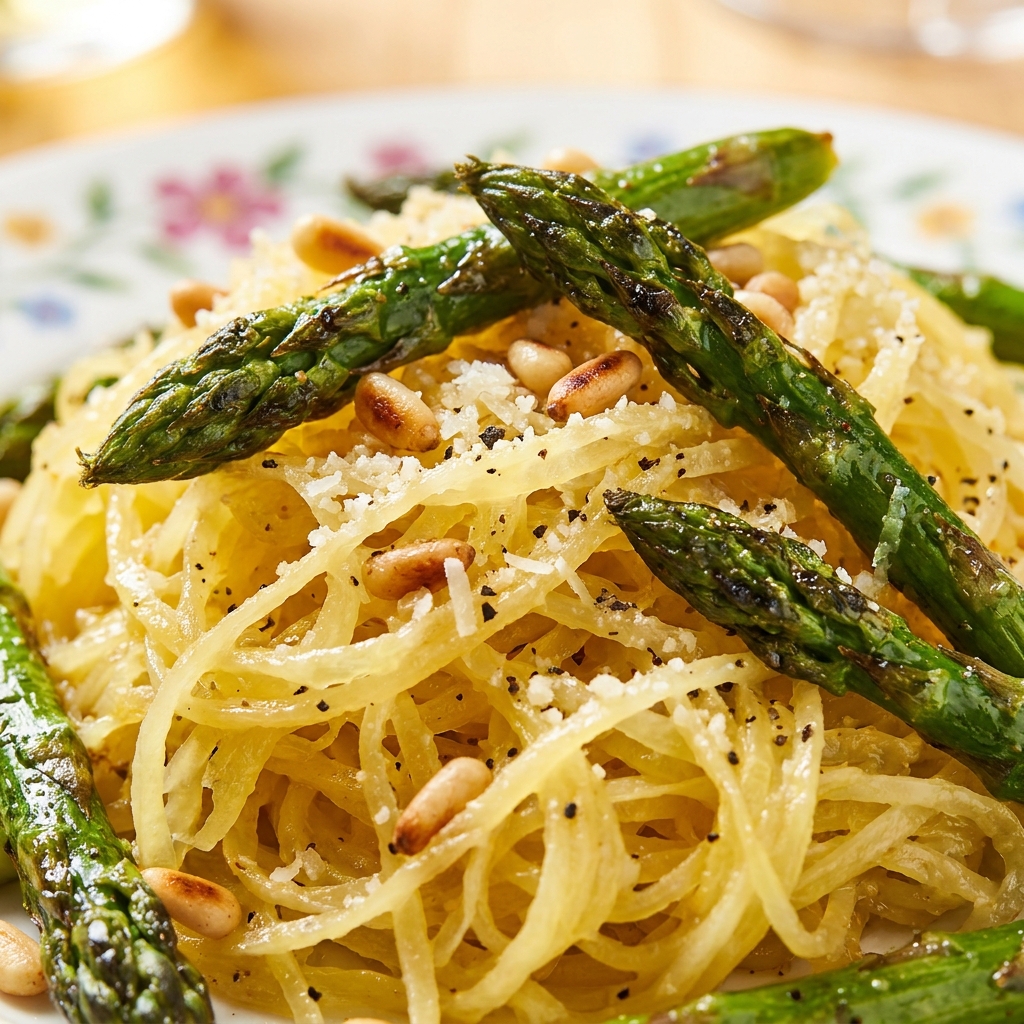
How to Make Spaghetti Squash With Tomato Sauce | Low-Carb Dinner Step by Step
Preheat and prep
Preheat oven to 400°F. Line a large rimmed baking sheet with parchment paper. Carefully cut the spaghetti squash in half lengthwise using a sharp chef's knife — rock the blade gently through the center, working from stem to base. Watch your fingers on the tough stem end. Scoop out seeds and stringy pulp with a sturdy spoon. Warning: if your knife slips on the hard skin, microwave the whole squash for 3 minutes first to soften it slightly.
Season and arrange squash
Brush the cut sides of each squash half with 1 tablespoon olive oil. Sprinkle generously with 1 teaspoon kosher salt and black pepper. Place halves cut-side down on the parchment-lined baking sheet. Press down gently so the flesh makes full contact with the pan surface. This direct contact is what creates those golden, caramelized edges that give the strands their depth of flavor. Warning: do not skip the salt — it draws out moisture and prevents watery strands.
Roast the squash
Roast at 400°F for 35–45 minutes. Start checking at 35 minutes by pressing the skin side firmly with your thumb. If it yields slightly like a ripe avocado, it is done. You should see deep golden-brown caramelization on the cut edges and smell a sweet, nutty aroma. Warning: do not overcook — if the skin collapses under pressure, the strands will be mushy and waterlogged. If the skin resists firmly at 35 minutes, give it 5 more minutes and check again.
Start the tomato sauce
While the squash roasts, heat 2 tablespoons olive oil in a large skillet over medium heat. Add the diced onion and cook 5–7 minutes until translucent and soft. You will smell a sweet, savory aroma when the onions are ready. Add the minced garlic and cook 30 seconds — just until fragrant. Warning: if the garlic browns it will turn bitter, so keep the heat at medium and stir constantly for those 30 seconds.
Build and simmer the sauce
Pour the crushed tomatoes into the skillet with the onions and garlic. Add dried oregano, dried basil, red pepper flakes, and 1 teaspoon kosher salt. Stir to combine and bring to a gentle simmer. Reduce heat to low and let it bubble softly for 15–20 minutes. The sauce is ready when it thickens slightly and coats the back of a spoon. Taste and adjust salt if needed. Warning: do not let it boil hard or the tomatoes will scorch on the bottom.
Scrape the strands
Remove the squash from the oven and let it rest 5 minutes — this stops carryover cooking that turns strands to mush. Flip the halves over with tongs. Use a fork to gently pull the strands from the shell, working from the edges toward the center. The strands should separate easily and look like golden noodles. Warning: if they clump or feel wet and dense, they are overcooked. Next time, check 5 minutes earlier.
Serve
Divide the squash strands among four bowls. Ladle the hot tomato sauce generously over each portion. Top with grated Parmesan, fresh basil, or extra red pepper flakes if desired. Serve immediately while the strands are still warm and the sauce is hot. The texture is best fresh from the oven — reheated squash softens slightly. Warning: do not mix the sauce into the squash ahead of time or it will soak in and turn everything soggy.
Pro Tips for the Best Spaghetti Squash With Tomato Sauce | Low-Carb Dinner
- Ingredient prep: Salt the squash cut sides 15 minutes before roasting. This draws out excess moisture through osmosis, preventing watery strands. Pat dry with a paper towel before adding oil. You will lose about a tablespoon of liquid, which means your sauce will not get diluted when you combine them.
- Common mistake and fix: The number one mistake is overcooking the squash until it turns to mush. This happens because people wait too long or rely on the fork test after it is already too late. The fix: check at 35 minutes by pressing the skin — if it yields like a ripe avocado, pull it immediately. If you have already overcooked it, drain the strands on paper towels for 10 minutes, then pan-fry in a dry skillet to evaporate remaining moisture before adding sauce.
- Temperature control: Roast at 400°F, not higher. Above 425°F the squash exterior burns before the interior strands fully separate. Below 375°F you get steamed, pale, watery squash with zero caramelization. 400°F is the sweet spot where Maillard browning develops on the cut surface without overcooking the flesh underneath.
- Make-ahead and storage: Cook the squash and sauce separately up to 3 days ahead. Store strands in a glass container with a paper towel underneath to absorb moisture. Reheat strands in a dry skillet over medium heat for 3 minutes to evaporate water. Warm the sauce in a separate pot, then combine. Never store them together or the squash goes soggy overnight.
Storing and Reheating Spaghetti Squash With Tomato Sauce | Low-Carb Dinner
Refrigerator Storage
Store cooked squash strands and tomato sauce separately in airtight glass containers for up to 4 days. Place a paper towel under the strands to absorb excess moisture.
Freezing Spaghetti Squash With Tomato Sauce | Low-Carb Dinner
Freeze strands in a single layer on a parchment-lined tray for 2 hours, then transfer to a freezer-safe zip-top bag with air pressed out. Freeze for up to 3 months. Do not freeze the strands with sauce already mixed in.
Reheating in the Oven
Spread strands on a parchment-lined baking sheet and bake at 350°F for 8–10 minutes. Add a drizzle of olive oil to restore moisture. Warm sauce separately on the stovetop over medium-low heat for 5 minutes.
Reheating in the Microwave
Microwave strands at 60% power for 90 seconds. Place a paper towel over the bowl to absorb steam and prevent sogginess. Warm sauce separately in a small microwave-safe bowl for 45 seconds at full power.
Make Ahead
Roast the squash up to 3 days ahead and store strands with a paper towel. Make the tomato sauce up to 5 days ahead in a sealed jar. Reheat both separately and combine just before serving to preserve the tender-crisp texture.
Spaghetti Squash With Tomato Sauce | Low-Carb Dinner
Prep
15 minutes
Cook
45 minutes
Total
60 minutes
Yield
4 servings
Category
Dinner
Method
Roasting
Cuisine
American
Diet
Vegan
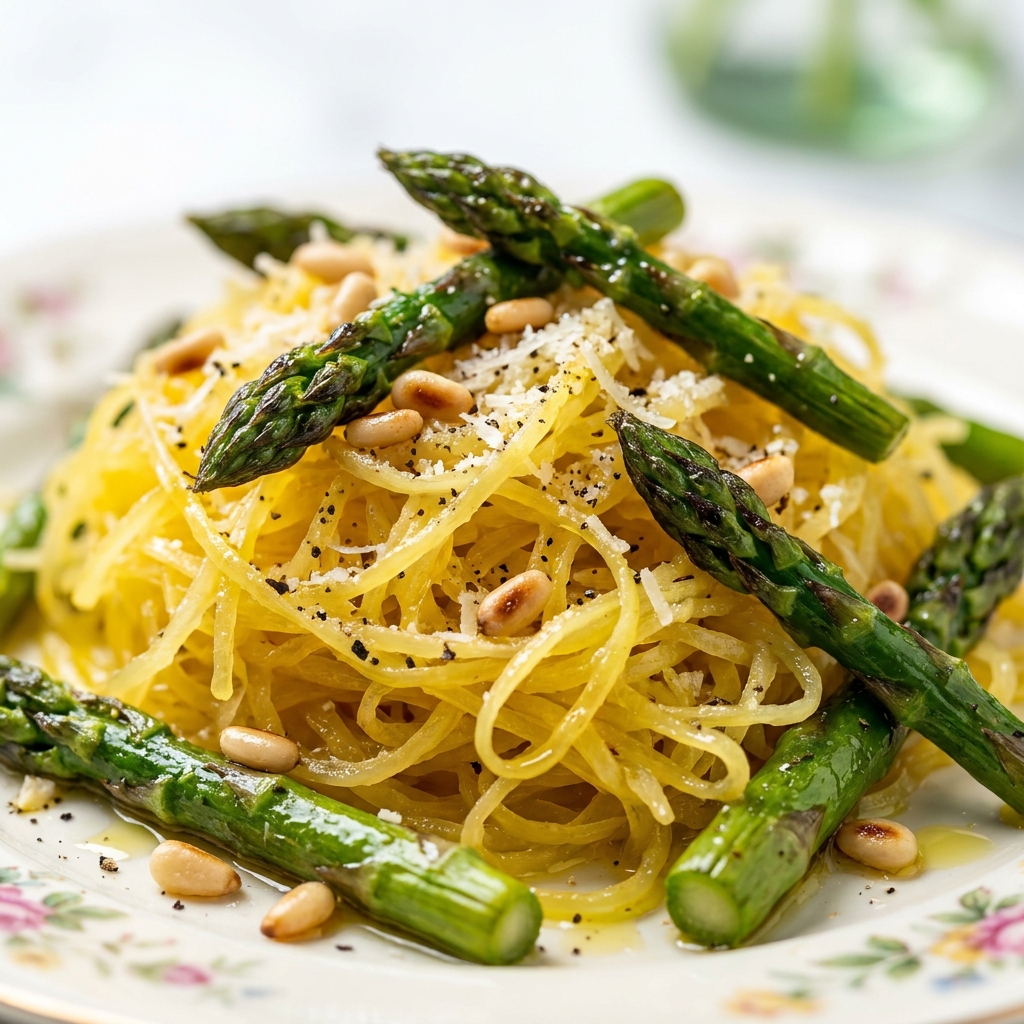
Ingredients
Main Ingredients
- 1 medium spaghetti squash (about 3 pounds)
- 2 tablespoons extra-virgin olive oil (for squash)
- 1 medium yellow onion, diced
- 4 cloves garlic, minced
- 2 cups crushed tomatoes (one 28-ounce can)
- 2 tablespoons extra-virgin olive oil (for sauce)
Seasonings & Flavors
- 1 teaspoon kosher salt (for squash)
- 1/2 teaspoon freshly ground black pepper
- 1 teaspoon dried oregano
- 1 teaspoon dried basil
- 1/4 teaspoon red pepper flakes
- 1 teaspoon kosher salt (for sauce)
Optional
- Grated Parmesan or Pecorino Romano cheese
- Fresh basil leaves, roughly chopped
- Extra-virgin olive oil for finishing drizzle
- Crushed red pepper flakes
- Toasted pine nuts
Instructions
- 1Preheat and prep: Preheat oven to 400°F. Line a large rimmed baking sheet with parchment paper. Carefully cut the spaghetti squash in half lengthwise using a sharp chef's knife — rock the blade gently through the center, working from stem to base. Watch your fingers on the tough stem end. Scoop out seeds and stringy pulp with a sturdy spoon. Warning: if your knife slips on the hard skin, microwave the whole squash for 3 minutes first to soften it slightly.
- 2Season and arrange squash: Brush the cut sides of each squash half with 1 tablespoon olive oil. Sprinkle generously with 1 teaspoon kosher salt and black pepper. Place halves cut-side down on the parchment-lined baking sheet. Press down gently so the flesh makes full contact with the pan surface. This direct contact is what creates those golden, caramelized edges that give the strands their depth of flavor. Warning: do not skip the salt — it draws out moisture and prevents watery strands.
- 3Roast the squash: Roast at 400°F for 35–45 minutes. Start checking at 35 minutes by pressing the skin side firmly with your thumb. If it yields slightly like a ripe avocado, it is done. You should see deep golden-brown caramelization on the cut edges and smell a sweet, nutty aroma. Warning: do not overcook — if the skin collapses under pressure, the strands will be mushy and waterlogged. If the skin resists firmly at 35 minutes, give it 5 more minutes and check again.
- 4Start the tomato sauce: While the squash roasts, heat 2 tablespoons olive oil in a large skillet over medium heat. Add the diced onion and cook 5–7 minutes until translucent and soft. You will smell a sweet, savory aroma when the onions are ready. Add the minced garlic and cook 30 seconds — just until fragrant. Warning: if the garlic browns it will turn bitter, so keep the heat at medium and stir constantly for those 30 seconds.
- 5Build and simmer the sauce: Pour the crushed tomatoes into the skillet with the onions and garlic. Add dried oregano, dried basil, red pepper flakes, and 1 teaspoon kosher salt. Stir to combine and bring to a gentle simmer. Reduce heat to low and let it bubble softly for 15–20 minutes. The sauce is ready when it thickens slightly and coats the back of a spoon. Taste and adjust salt if needed. Warning: do not let it boil hard or the tomatoes will scorch on the bottom.
- 6Scrape the strands: Remove the squash from the oven and let it rest 5 minutes — this stops carryover cooking that turns strands to mush. Flip the halves over with tongs. Use a fork to gently pull the strands from the shell, working from the edges toward the center. The strands should separate easily and look like golden noodles. Warning: if they clump or feel wet and dense, they are overcooked. Next time, check 5 minutes earlier.
- 7Serve: Divide the squash strands among four bowls. Ladle the hot tomato sauce generously over each portion. Top with grated Parmesan, fresh basil, or extra red pepper flakes if desired. Serve immediately while the strands are still warm and the sauce is hot. The texture is best fresh from the oven — reheated squash softens slightly. Warning: do not mix the sauce into the squash ahead of time or it will soak in and turn everything soggy.
Recipe Notes
- Chef tip: Always roast spaghetti squash cut-side down. The moisture escapes through the skin side while the cut surface caramelizes against the hot pan. This is the single technique that separates restaurant-quality squash from watery home attempts. Skipping this step is why most homemade spaghetti squash tastes bland and soggy.
- Best substitution: If you cannot find spaghetti squash, use zucchini noodles instead. They cook in 2–3 minutes in a hot skillet. The texture is softer and more delicate, so toss them with sauce off the heat. You will lose the al dente bite but gain a brighter, fresher flavor that works well in summer.
- Make-ahead: Roast the squash up to 3 days ahead and store strands in an airtight container with a paper towel underneath. Make the tomato sauce up to 5 days ahead in a sealed glass jar. Reheat both separately and combine just before serving to preserve the tender-crisp texture.
- Scaling: One medium squash weighing about 3 pounds serves 4 people. For 8 servings, use 2 squashes but keep the sauce recipe as-is — it is already generous. For larger crowds, roast squash in batches since most standard ovens fit only 2 halves per baking sheet comfortably.
- Troubleshooting: If your spaghetti squash is watery and mushy, it was overcooked. The root cause is roasting too long or at too low a temperature, which steams rather than roasts. Next time, check at 35 minutes and pull the squash the moment the skin yields to firm thumb pressure. To rescue already-mushy squash, drain strands on paper towels for 10 minutes, then pan-fry in a dry skillet over medium heat for 3 minutes to evaporate remaining moisture before adding sauce.
Nutrition Per Serving
- Calories: 195 kcal
- Protein: 3g
- Fat: 11g
- Saturated Fat: 1.5g
- Carbohydrates: 21g
- Fiber: 3g
- Sugar: 10g
- Sodium: 620mg
- Cholesterol: 0mg
Nutritional values are estimates only. Actual values may vary by brand and portion size.
Made this recipe?
I’d love to see how your Spaghetti Squash With Tomato Sauce | Low-Carb Dinner turned out — leave a star rating and a comment below. I read every one!
Frequently Asked Questions about Spaghetti Squash With Tomato Sauce | Low-Carb Dinner
How do you cook spaghetti squash so it's not watery?
Roast it cut-side down at 400°F instead of boiling or microwaving. The dry oven heat evaporates moisture while the cut surface caramelizes against the hot pan. Check doneness at 35 minutes by pressing the skin — if it yields slightly, pull it immediately. Salting the cut sides 15 minutes before roasting also draws out excess water through osmosis. Never add sauce until just before serving, or the strands absorb liquid and go soft within minutes.
Can I microwave spaghetti squash to save time?
You can, but the texture suffers significantly. Microwaving steams the squash from the inside, producing wet, limp strands that dilute your sauce and lack caramelized flavor. If you must microwave, pierce the whole squash 10 times with a knife and cook 10–12 minutes, turning halfway through. Let it rest 5 minutes before cutting. The strands will be softer and paler than oven-roasted, with none of the golden edges that make this recipe work.
What's the best spaghetti squash to buy for this recipe?
Look for a medium squash weighing 2.5–3 pounds with pale yellow, firm skin and no soft spots. Smaller squashes have thinner, more tender strands. Larger ones can be stringy and watery with a tougher texture. Avoid any with green streaks — they are underripe and the strands will not separate properly. In fall and winter, farmers' markets often have the freshest options with the sweetest, most concentrated flavor.
Why does my spaghetti squash taste bland even with sauce?
Bland squash usually means it was underseasoned or under-roasted. Salt the cut sides before roasting — this draws out water and concentrates flavor through the squash itself. Roast until the edges are deeply golden, not just pale yellow. The caramelization is where the natural sweetness develops. Also, taste your tomato sauce before serving and adjust salt, because canned tomatoes vary wildly in sodium levels.
Is spaghetti squash a good Thanksgiving side dish?
Yes, it is a fantastic lighter alternative to heavy pasta or potato dishes at Thanksgiving. Roast it the morning of and reheat gently before serving. The golden strands look beautiful in a wide serving bowl with rustic tomato sauce. For a holiday twist, add roasted garlic, crispy sage, or brown butter instead of tomato sauce. It pairs well with turkey and will not compete with richer sides like stuffing or green bean casserole.

[…] Apple Grilled Cheese with Caramelized Onions is the cozy sweet-savory sandwich that turns a boring lunch into something unforgettable. Most versions fail because wet fruit turns the bread soggy before the cheese melts through. I ruined three batches before learning that rushing the onions and piling raw fruit on cold cheese caused the failure. The smell of onions in a hot pan and the crackle of buttered bread going golden is pure autumn comfort. On cooler nights this sandwich pairs beautifully with my spaghetti squash with tomato sauce for a complete cozy meal. Jump to the recipe card or keep reading for my best tips. You might also love my spaghetti squash with tomato sauce. […]