Follow Me On Social Media!

Fluffy High-Protein Greek Yogurt Pancakes for Breakfast
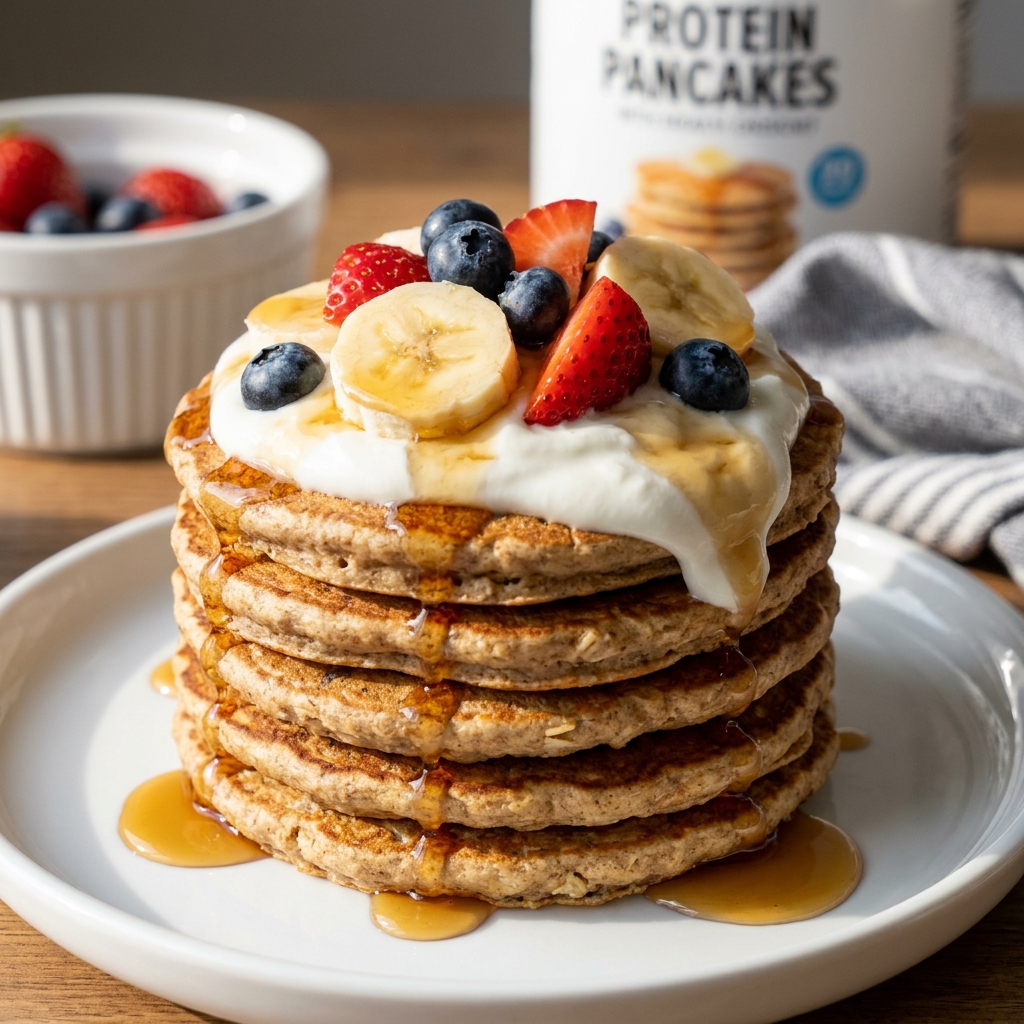
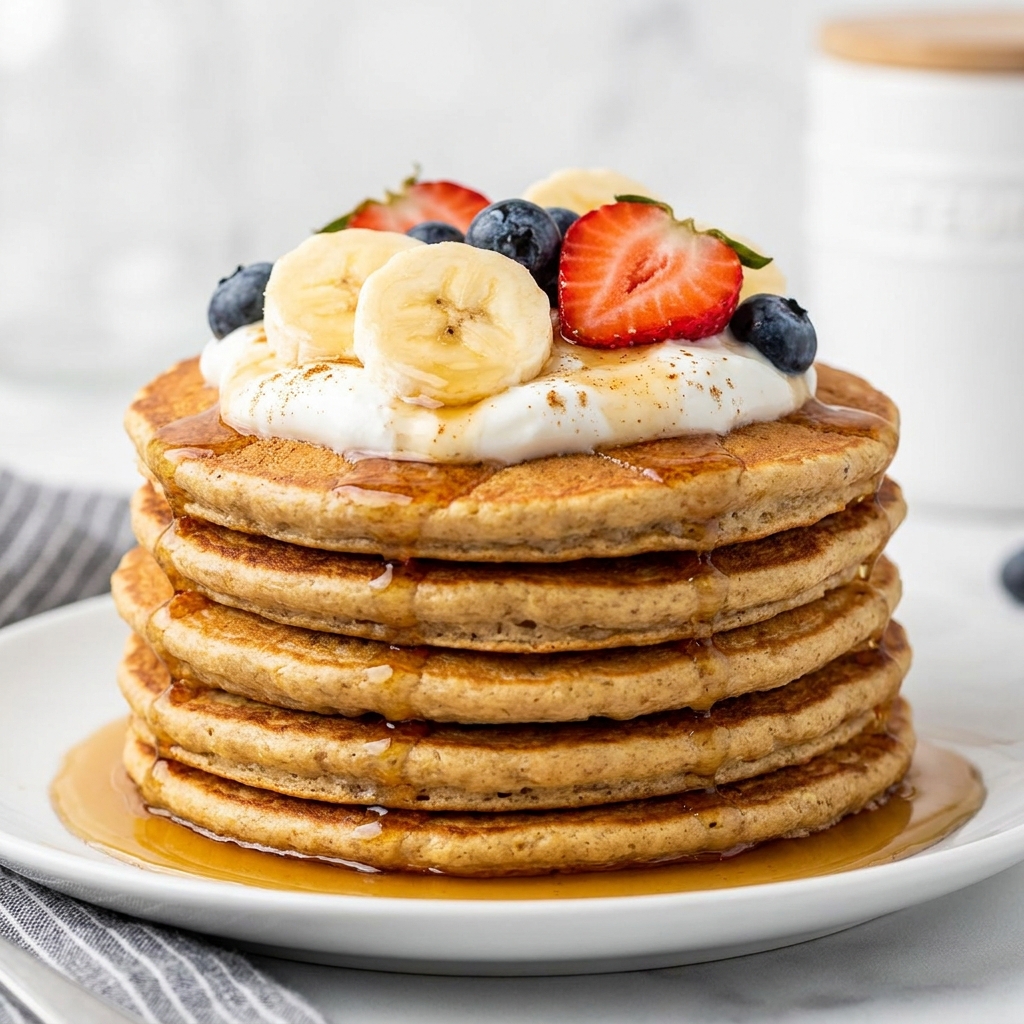
High-Protein Greek Yogurt Pancakes turn out fluffy and golden every time — never rubbery or dense. Ready in 20 minutes with pantry staples. Try it tonight.

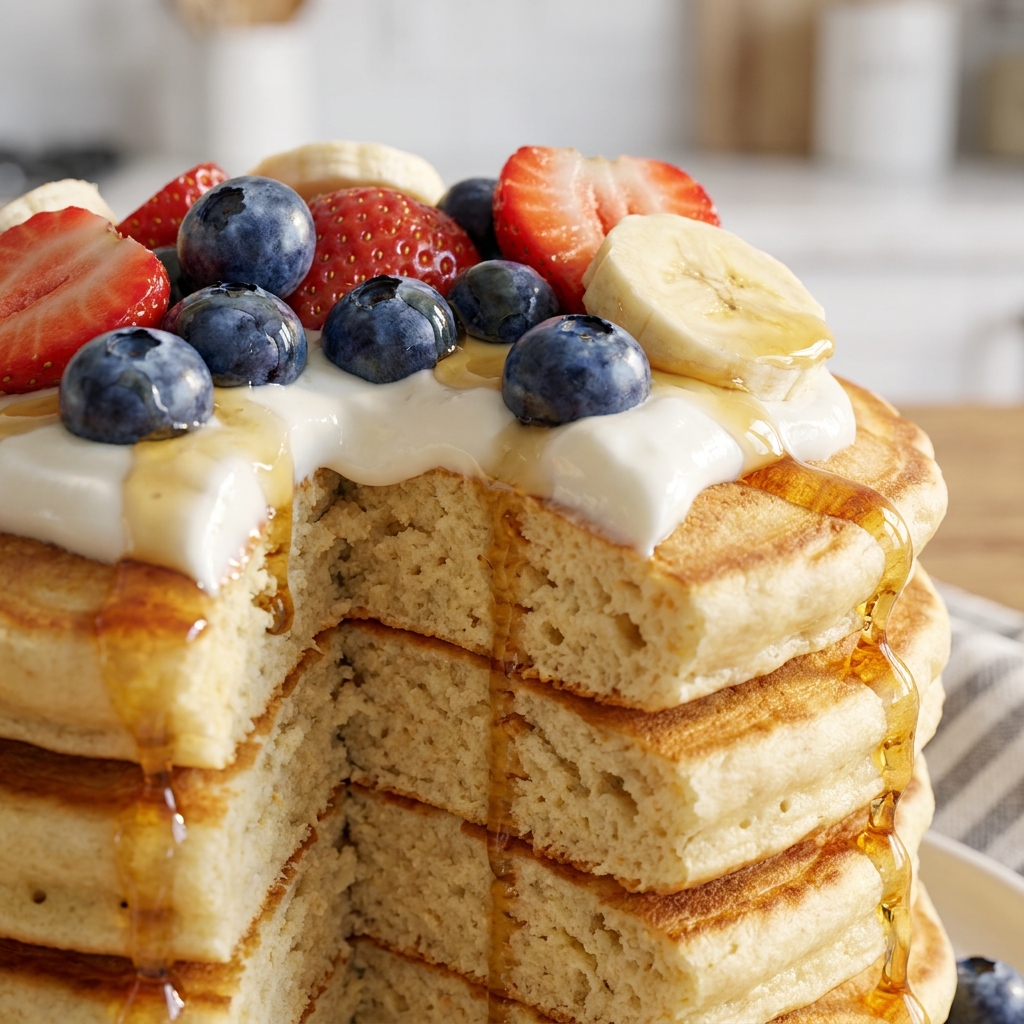
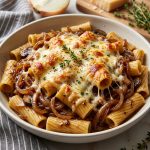
High-Protein Greek Yogurt Pancakes solve the biggest breakfast problem — getting fluffy, tender cakes that actually keep you full. Most yogurt pancakes turn out rubbery and flat because the batter gets overworked when thick yogurt meets flour. I burned through three batches before I figured out that folding, not whisking, is the whole game. The batter should look lumpy and smell like warm vanilla, with tiny curds of yogurt visible throughout. This same patient, layered approach is what makes my French Onion Pasta so deeply flavorful — technique always beats rushing. Jump to the recipe card or keep reading for my best tips. You might also love my French Onion Pasta.

What I Use
Ninja Prestige Smart XL Pro Cook System
Getting even heat across a griddle is the hardest part of pancake cooking — hot spots burn one side while the other stays pale. I use the Ninja Prestige Smart XL Pro every time because its precise temperature control eliminates guesswork and I've never had a burnt batch since. It's Prime eligible and ships free.
Check Price on Amazon →Why You'll Love This Fluffy High-Protein Greek Yogurt Pancakes for Breakfast
- Each serving delivers 18g of protein from Greek yogurt and eggs — no chalky protein powder needed
- The fold technique creates a custard-soft middle that stays tender even on day two
- Batter comes together in under 10 minutes with pantry staples you already own
- The yogurt's natural tang balances the maple syrup so the sweetness never overwhelms
Ingredients for Fluffy High-Protein Greek Yogurt Pancakes for Breakfast
Exact amounts are in the printable recipe card below — here's what you'll need at a glance.
Main Ingredients
- 1 cup all-purpose flour
- 1 tsp baking powder
- 1 tbsp granulated sugar
- 1 cup plain Greek yogurt (2% or whole milk)
- 2 large eggs
- 1/4 cup milk (2% or whole)
- 2 tbsp unsalted butter, melted and slightly cooled
Seasonings & Flavors
- 1/4 tsp kosher salt
- 1 tsp pure vanilla extract
Optional Toppings
- (Optional) Fresh berries — blueberries, sliced strawberries, or raspberries
- (Optional) Pure maple syrup warmed slightly
- (Optional) Sliced bananas with toasted chopped walnuts
- (Optional) Extra Greek yogurt drizzled with honey and a pinch of cinnamon
Ingredient Notes
- Greek yogurt (2% or whole milk): This is your protein engine and your moisture source — it adds 17g of protein per cup while tenderizing the flour. Full-fat yogurt makes the richest pancakes; nonfat works but yields a slightly drier cake. Never substitute regular yogurt — it's too watery and will thin the batter past the point of fluffy.
- All-purpose flour: Provides structure through gluten development — but you want just enough, not too much. Measure by spooning into the cup and leveling with a knife; scooping packs the flour and adds up to 25% extra, which makes dense pancakes. A 1:1 gluten-free blend works if needed but sacrifices some chew.
- Baking powder: Creates the lift that makes pancakes fluffy instead of flat. Check the date — old baking powder loses potency and gives flat, dense pancakes. The yogurt's acidity gives it an extra boost, which is why these rise higher than standard buttermilk versions.
- Eggs: Bind the batter and add 12g of protein — they also create the custard-like softness in the crumb. Room-temperature eggs blend more easily into the yogurt. Don't skip the yolk; it's where the richness lives.
- Melted butter: Adds flavor and fat that keeps the crumb tender. Let it cool slightly before adding — hot butter will cook the eggs on contact and create scrambled lumps. You can substitute coconut oil or a neutral oil, but you'll lose the buttery depth.
How to Make Fluffy High-Protein Greek Yogurt Pancakes for Breakfast Step by Step
Whisk the dry ingredients
In a medium bowl, whisk together 1 cup flour, 1 tsp baking powder, 1 tbsp sugar, and 1/4 tsp kosher salt. Whisk vigorously for 15 seconds — you want the baking powder evenly distributed so every pancake rises the same. The mixture should look uniform with no white streaks. What to watch for: if you see clumps of baking powder, keep whisking — uneven distribution means some pancakes rise and others fall flat.
Whisk the wet ingredients separately
In a second bowl, whisk 1 cup Greek yogurt, 2 eggs, 1/4 cup milk, 1 tsp vanilla, and 2 tbsp melted butter until smooth. The mixture should be creamy and pourable with a slight tang in the air. Break the yogurt curds completely — any lumps here will show up as wet spots in the cooked pancakes. What to watch for: if the butter is still warm, it might start cooking the eggs. Let it cool to lukewarm before adding.
Fold wet into dry — do NOT whisk
Pour the wet mixture into the dry bowl. Using a silicone spatula, fold gently — drag the spatula through the center and around the edge, turning the bowl as you go. Stop when the flour is mostly incorporated but small lumps remain. The batter should look shaggy and uneven, not smooth. What to watch for: this is the number one failure point — if you whisk until smooth, you develop gluten and get rubbery pancakes. Lumps are your friend here. They cook out.
Rest the batter for 5 minutes
Let the batter sit undisturbed for 5 full minutes. This rest lets the flour absorb liquid and the baking powder activate — you'll see a few small bubbles on the surface. The batter will thicken slightly and look more cohesive. What to watch for: if you skip the rest, the pancakes spread too thin and stay dense. Set a timer — 5 minutes is the minimum, 10 is even better.
Heat the griddle to 350°F
Preheat your griddle or large skillet to 350°F, or medium-low on a stovetop. Test with a few drops of water — they should dance and evaporate within 3 seconds, not sit and pool. Brush the surface with a thin layer of butter. What to watch for: if the butter browns instantly or smokes, the pan is too hot. Let it cool for a minute before proceeding.
Ladle and cook the first side
Ladle 1/4 cup batter per pancake onto the griddle, spacing 2 inches apart. Cook for 2–3 minutes undisturbed. Watch for bubbles across the entire surface and edges that look dry and set. The bottom should be golden brown when you peek with a spatula. What to watch for: if you flip before the bubbles fully cover the top, the pancake will collapse and stay raw in the center.
Flip and finish the second side
Flip gently with a wide spatula — the pancake should release easily if the heat is right. Cook for 1–2 minutes until the underside is golden and the pancake feels springy when pressed lightly in the center. It should sound slightly crisp at the edges. What to watch for: the second side always cooks faster than the first. Pull them off before they darken — golden is the target, not brown.
Pro Tips for the Best Fluffy High-Protein Greek Yogurt Pancakes for Breakfast
- Ingredient prep: Measure the flour by spooning it into the measuring cup and leveling with a knife. Scooping directly from the bag packs up to 25% extra flour into the cup, which makes the batter too thick and the pancakes dense and heavy.
- Common mistake and fix: The biggest mistake is overmixing the batter after combining wet and dry. Overmixing develops gluten strands that turn the pancakes rubbery and tough — they'll look perfect but bite like a bounce house. Fix: use a spatula, not a whisk, and stop folding the moment dry streaks disappear. Visible lumps are correct and will cook out on the griddle.
- Temperature control: Keep the griddle at 350°F — not medium-high, not a guess. Too hot and the outside burns before the center cooks; too low and the pancakes spread thin and never develop crisp edges. Use a laser thermometer or the water-drop test: droplets should skitter and evaporate in 2–3 seconds.
- Storage: Freeze cooked pancakes flat on a baking sheet for 30 minutes, then transfer to a freezer bag with parchment between each one. This prevents them from freezing into a solid block. They reheat directly from frozen in a 350°F oven for 5–7 minutes with no thawing needed.
Storing and Reheating Fluffy High-Protein Greek Yogurt Pancakes for Breakfast
Refrigerator Storage
Store cooked pancakes in an airtight container with parchment between layers for up to 3 days. Reheat in a 350°F oven for 4–5 minutes.
Freezing Fluffy High-Protein Greek Yogurt Pancakes for Breakfast
Freeze pancakes flat on a baking sheet for 30 minutes, then stack with parchment paper between each one in a freezer bag. Freeze for up to 2 months.
Reheating in the Oven
Bake at 350°F for 5–7 minutes on an ungreased sheet pan. The edges will re-crisp and the centers stay soft. No covering needed — trapping steam makes them soggy.
Reheating in the Microwave
Microwave at 50% power for 20–25 seconds per pancake. Place a damp paper towel underneath to add light moisture without making the bottoms wet. Full power toughens the protein strands.
Make Ahead
Mix the dry ingredients the night before and store at room temperature. Combine the wet ingredients separately in the fridge. In the morning, fold them together, rest 5 minutes, and cook. Never store mixed batter overnight — the baking powder loses potency overnight.
Fluffy High-Protein Greek Yogurt Pancakes for Breakfast
Prep
10 minutes
Cook
10 minutes
Total
20 minutes
Yield
4 servings (8 pancakes)
Category
Breakfast
Method
Griddle
Cuisine
American
Diet
Vegetarian
Ingredients
Main Ingredients
- 1 cup all-purpose flour
- 1 tsp baking powder
- 1 tbsp granulated sugar
- 1 cup plain Greek yogurt (2% or whole milk)
- 2 large eggs
- 1/4 cup milk (2% or whole)
- 2 tbsp unsalted butter, melted and slightly cooled
Seasonings & Flavors
- 1/4 tsp kosher salt
- 1 tsp pure vanilla extract
Optional
- Fresh berries — blueberries, sliced strawberries, or raspberries
- Pure maple syrup warmed slightly
- Sliced bananas with toasted chopped walnuts
- Extra Greek yogurt drizzled with honey and a pinch of cinnamon
Instructions
- 1Whisk the dry ingredients: In a medium bowl, whisk together 1 cup flour, 1 tsp baking powder, 1 tbsp sugar, and 1/4 tsp kosher salt. Whisk vigorously for 15 seconds — you want the baking powder evenly distributed so every pancake rises the same. The mixture should look uniform with no white streaks. What to watch for: if you see clumps of baking powder, keep whisking — uneven distribution means some pancakes rise and others fall flat.
- 2Whisk the wet ingredients separately: In a second bowl, whisk 1 cup Greek yogurt, 2 eggs, 1/4 cup milk, 1 tsp vanilla, and 2 tbsp melted butter until smooth. The mixture should be creamy and pourable with a slight tang in the air. Break the yogurt curds completely — any lumps here will show up as wet spots in the cooked pancakes. What to watch for: if the butter is still warm, it might start cooking the eggs. Let it cool to lukewarm before adding.
- 3Fold wet into dry — do NOT whisk: Pour the wet mixture into the dry bowl. Using a silicone spatula, fold gently — drag the spatula through the center and around the edge, turning the bowl as you go. Stop when the flour is mostly incorporated but small lumps remain. The batter should look shaggy and uneven, not smooth. What to watch for: this is the number one failure point — if you whisk until smooth, you develop gluten and get rubbery pancakes. Lumps are your friend here. They cook out.
- 4Rest the batter for 5 minutes: Let the batter sit undisturbed for 5 full minutes. This rest lets the flour absorb liquid and the baking powder activate — you'll see a few small bubbles on the surface. The batter will thicken slightly and look more cohesive. What to watch for: if you skip the rest, the pancakes spread too thin and stay dense. Set a timer — 5 minutes is the minimum, 10 is even better.
- 5Heat the griddle to 350°F: Preheat your griddle or large skillet to 350°F, or medium-low on a stovetop. Test with a few drops of water — they should dance and evaporate within 3 seconds, not sit and pool. Brush the surface with a thin layer of butter. What to watch for: if the butter browns instantly or smokes, the pan is too hot. Let it cool for a minute before proceeding.
- 6Ladle and cook the first side: Ladle 1/4 cup batter per pancake onto the griddle, spacing 2 inches apart. Cook for 2–3 minutes undisturbed. Watch for bubbles across the entire surface and edges that look dry and set. The bottom should be golden brown when you peek with a spatula. What to watch for: if you flip before the bubbles fully cover the top, the pancake will collapse and stay raw in the center.
- 7Flip and finish the second side: Flip gently with a wide spatula — the pancake should release easily if the heat is right. Cook for 1–2 minutes until the underside is golden and the pancake feels springy when pressed lightly in the center. It should sound slightly crisp at the edges. What to watch for: the second side always cooks faster than the first. Pull them off before they darken — golden is the target, not brown.
Recipe Notes
- Chef tip: Always rest the batter for at least 5 minutes before cooking. This lets the flour hydrate and the baking powder activate, so the pancakes rise taller and spread less on the griddle. Skip the rest and you'll get thin, dense discs.
- Best substitution: Swap the milk for any dairy or non-dairy alternative — oat milk adds a subtle sweetness, almond milk keeps it neutral. For a gluten-free version, use a 1:1 gluten-free flour blend; the pancakes will be slightly more delicate but still fluffy.
- Make-ahead: Cook the full batch, cool completely on a wire rack, and freeze between parchment sheets. They reheat straight from frozen in a 350°F oven in 5–7 minutes. This is my Sunday meal-prep move — 16 pancakes ready for the week.
- Scaling: Double the recipe for a crowd — it scales perfectly. Use a larger bowl for the dry ingredients to give folding room; a tight bowl makes overmixing more likely. The batter keeps in the fridge for up to 1 hour if you need to cook in batches.
- Troubleshooting: If your pancakes come out rubbery and dense, you overmixed the batter — the gluten overdeveloped and tightened. Fix: switch to a spatula, fold instead of whisk, and stop the moment flour streaks disappear. If they're already cooked, serve them with extra warm syrup and yogurt; they'll still taste good even if the texture is off.
Nutrition Per Serving
- Calories: 220 kcal
- Protein: 18g
- Fat: 7g
- Saturated Fat: 3g
- Carbohydrates: 22g
- Fiber: 1g
- Sugar: 4g
- Sodium: 320mg
- Cholesterol: 55mg
Nutritional values are estimates only. Actual values may vary by brand and portion size.
Made this recipe?
I’d love to see how your Fluffy High-Protein Greek Yogurt Pancakes for Breakfast turned out — leave a star rating and a comment below. I read every one!
Frequently Asked Questions about Fluffy High-Protein Greek Yogurt Pancakes for Breakfast
Can I use nonfat Greek yogurt for High-Protein Greek Yogurt Pancakes?
Yes, but the pancakes will be slightly drier and less rich. Full-fat or 2% Greek yogurt adds moisture and fat that keeps the crumb tender. If you use nonfat, add 1 extra tablespoon of melted butter to compensate. The protein content stays nearly the same either way.
Why are my Greek yogurt pancakes rubbery?
Rubbery pancakes happen when the batter is overmixed — the whisk develops gluten strands that tighten during cooking. The fix is simple: use a spatula to fold the wet ingredients into the dry, and stop the moment the flour is mostly incorporated. Lumps are normal and they cook out on the griddle. You should never whisk the combined batter.
Can I make High-Protein Greek Yogurt Pancakes ahead and freeze them?
Absolutely. Cook them fully, cool on a wire rack, and freeze flat on a baking sheet for 30 minutes. Transfer to a freezer bag with parchment between each pancake. They keep for 2 months and reheat from frozen in a 350°F oven for 5–7 minutes. No thawing needed.
What's the best flour substitute for this pancake recipe?
A 1:1 gluten-free flour blend works best and maintains the fluffy texture. Whole wheat flour works but makes the pancakes denser and slightly heavier. Almond flour doesn't work as a 1:1 swap — it lacks the gluten structure needed for lift. If you try oat flour, add 1 extra egg for binding.
How do I serve these for a holiday brunch in winter?
For Christmas morning or winter brunches, add 1/2 tsp cinnamon and a pinch of nutmeg to the dry ingredients. Top with warm spiced apple compote instead of syrup — it adds seasonal warmth without extra sugar. You can also make the batter the night before and rest it overnight in the fridge for an even faster morning.

[…] This Cottage Cheese Pasta gives you a velvety, protein-rich sauce in under 20 minutes without a single drop of heavy cream. Most versions turn out grainy, bland, or watery because they skip the blending step that makes the cheese melt smoothly into the noodles. I’ve tested this recipe over a dozen times, burning the garlic twice and landing a gluey batch once before I nailed the exact ratio of pasta water to cottage cheese. The sauce should coat every noodle like silk, with a faint garlic aroma and golden flecks of toasted Parmesan catching the light. If you loved my fluffy high-protein Greek yogurt pancakes, this savory counterpart is your new weeknight go-to. Jump to the recipe card or keep reading for my best tips. You might also love my fluffy high-protein Greek yogurt pancakes. […]